US Dollar - USD
- Turkish Lira - TRY
- US Dollar - USD
- Euro - EUR
- Pound sterling - GBP
- Russian Ruble - RUB
- Chinese Yuan - CNY
- Georgian lari - GEL
- Saudi Riyal - SAR
- UAE Dirham - AED
- Syrian Pound - SYP
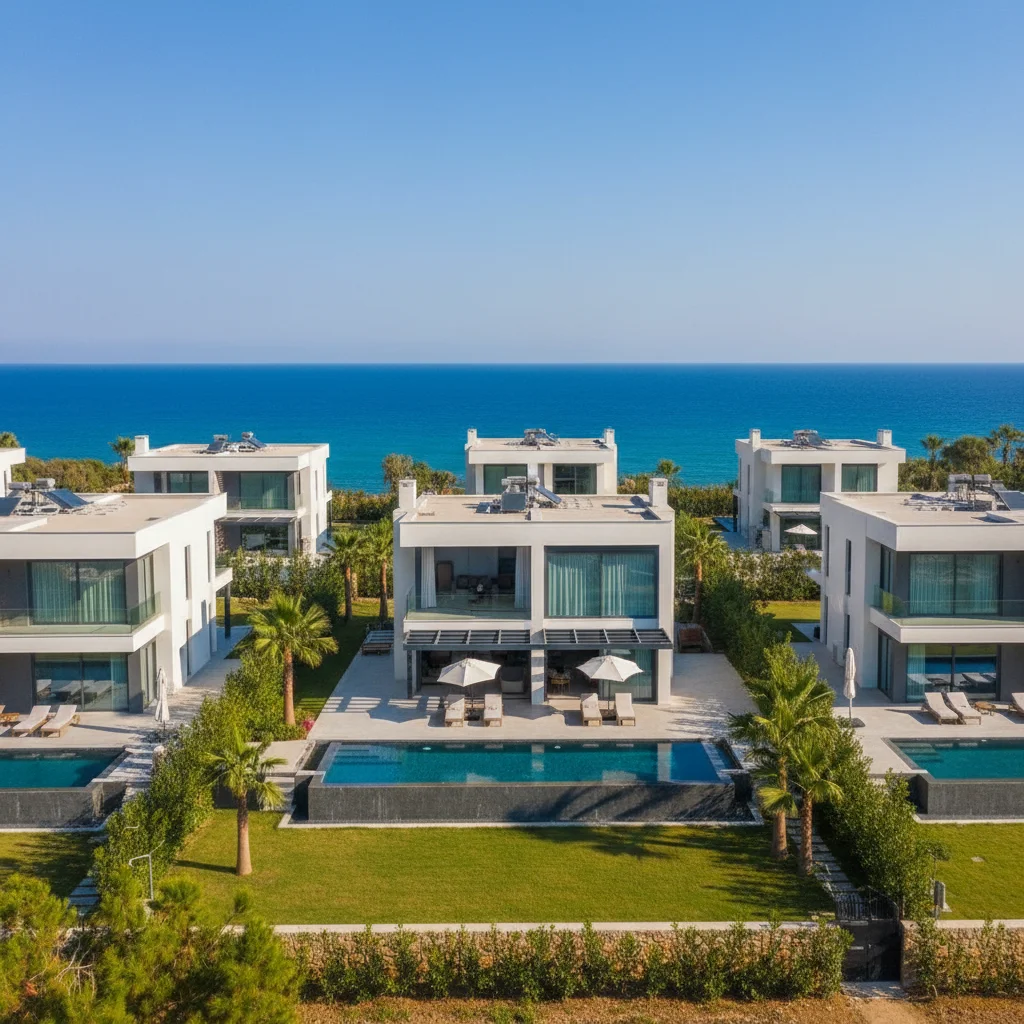
The Turkish luxury real estate market has emerged as one of the most dynamic property sectors in the Mediterranean and European regions. For international investors, family offices, and lifestyle buyers, purchasing detached homes and waterfront residences quoted in United States Dollars (USD) provides financial clarity, transparent value comparisons, and a reliable hedge against domestic currency fluctuations. Turkey's geographical position bridging Europe and Asia, paired with favorable government incentives, makes high-end residential acquisitions particularly attractive.
While the Turkish Central Bank mandates that real estate title transfers ultimately register values in Turkish Lira (TRY) via official foreign exchange certificates, the commercial marketing, pricing benchmark, and offshore payment structures for luxury real estate remain heavily anchored in US Dollars. Whether targeting an authentic Ottoman-style waterfront mansion on the Bosphorus Strait in Istanbul, a minimalist contemporary cliffside estate in Bodrum, or a golf villa in Antalya, international buyers frequently negotiate, budget, and settle transactions pegged directly to the US Dollar.
Trading in global reserve currencies provides cross-border investors with financial peace of mind. By evaluating properties priced in USD, international purchasers eliminate the pricing ambiguity caused by local exchange rate movements between the time an offer is made and when the title deed is officially transferred. Sellers of ultra-prime properties across Turkey often set their baseline expectations in USD or Euros to preserve their purchasing power, creating an aligned playing field for global buyers.
Furthermore, international mortgage-free capital transfers originate overwhelmingly from USD-denominated bank accounts. Having listing prices clearly published in dollars simplifies return on investment (ROI) forecasts, capital expenditure calculations, and long-term rental income models without requiring complex daily currency conversion calculations.
Investing in prime real estate denominated in foreign hard currency acts as a powerful hedge. Historically, while the local currency may fluctuate, the intrinsic market value of prime Turkish real estate in sought-after locations—such as Istanbul's seaside districts or Bodrum's pristine bays—adjusts upward in local terms, preserving its baseline value in USD terms. Additionally, luxury villas in prime tourist destinations generate significant foreign currency rental income through high-end seasonal holiday rentals, turning residential real estate into a yield-generating cash machine.
The choice to buy a standalone villa rather than an apartment or commercial unit comes with specific lifestyle and strategic financial rewards. Turkey offers world-class construction quality, expansive plot sizes, modern smart-home integrations, and comprehensive privacy.
The primary catalyst driving global high-net-worth demand for Turkish property is the Turkish Citizenship by Investment (CBI) program. Foreign nationals who invest a minimum of $400,000 USD into real estate are eligible to apply for full Turkish citizenship and passports for themselves, their spouse, and dependent children under the age of 18.
Coastal and suburban luxury markets in Turkey continue to see robust capital appreciation. Demand for private outdoor spaces, detached swimming pools, and dedicated home-office environments has surged exponentially over the past five years. Well-positioned detached properties in destinations like Bodrum, Fethiye, and the northern coastal corridors of Istanbul consistently achieve 8% to 12% gross annual yields when enrolled in premium short-term holiday rental programs during peak travel seasons.
Modern Turkish residential developments meet rigorous European building codes and international earthquake safety regulations. Developers prioritize natural materials, including local travertine, aged marble, solid hardwoods, and energy-efficient panoramic glass facades. From sub-tropical beach lifestyles on the Turquoise Coast to cosmopolitan, culture-rich urban living in Istanbul, Turkey offers an enviable lifestyle supported by premier private healthcare systems, renowned international schools, and top-tier infrastructure.
Looking for the best real estate investment opportunity in Istanbul?
We help you choose the right property based on your budget and goals
Get a Free Consultation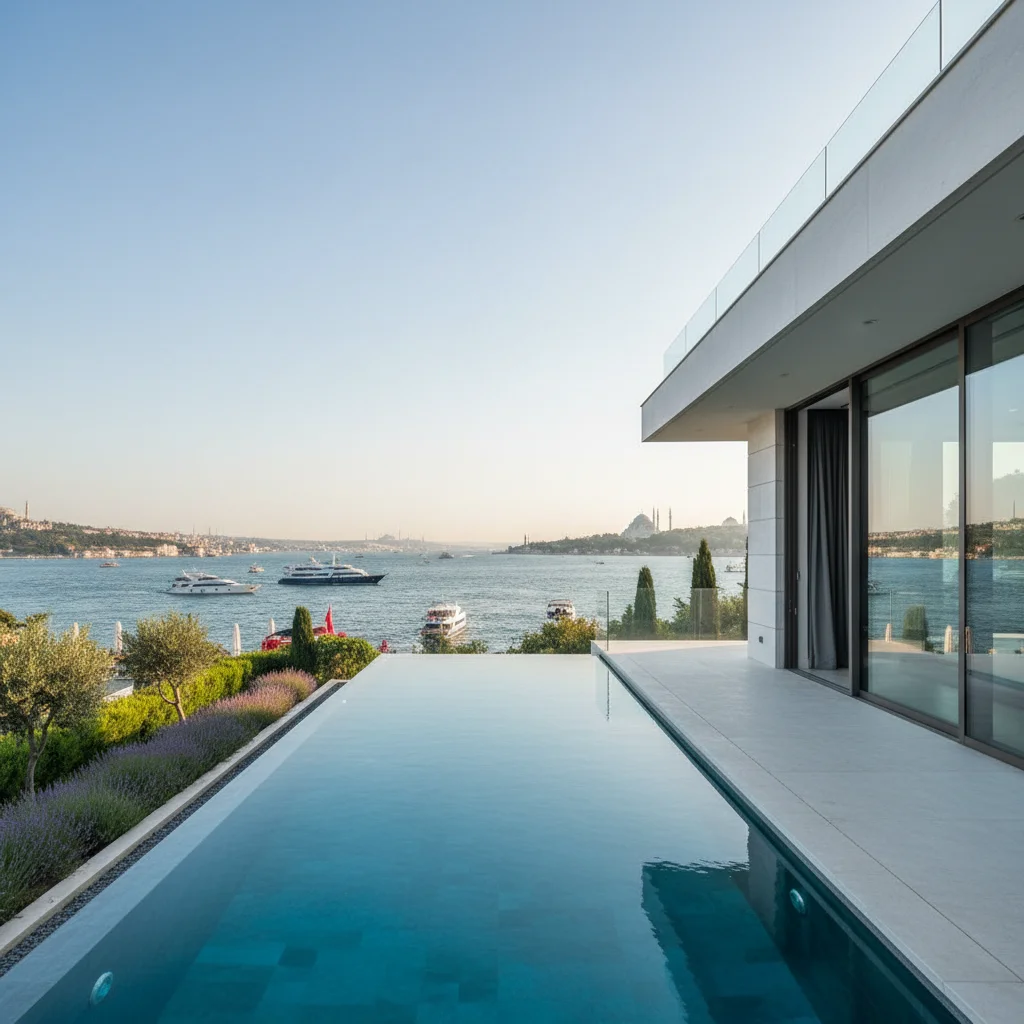
Choosing the right destination depends entirely on your investment strategy, lifestyle preferences, and long-term occupancy plans. The Turkish villa market encompasses several distinct geographical micro-markets.
Istanbul offers some of the most prestigious urban real estate in the world. As Turkey's economic and cultural capital, luxury villas here balance serene suburban exclusivity with swift connectivity to international financial hubs and world-class airports.
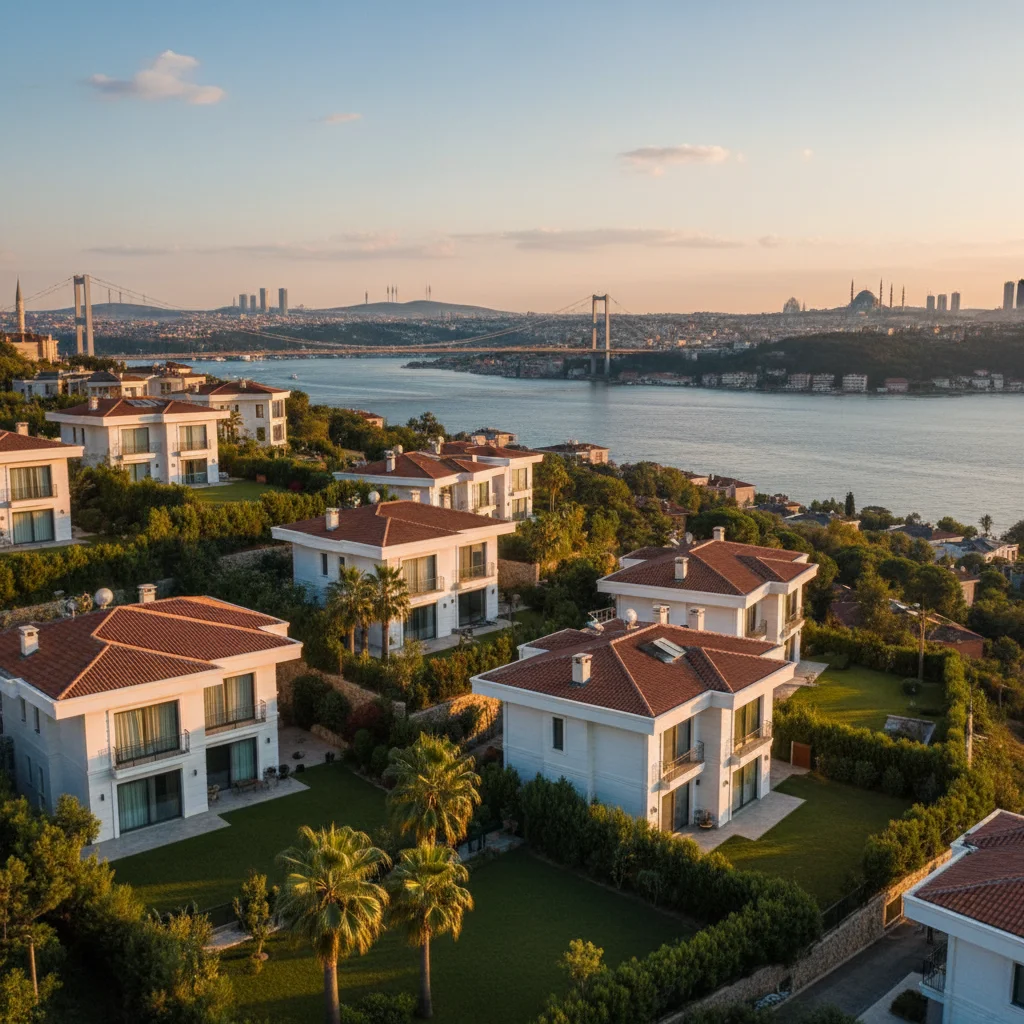
The historical waterfront mansions lining the Bosphorus Strait, known locally as Yalı, represent the pinnacle of Turkish real estate exclusivity. These rare heritage properties, located in neighborhoods such as Bebek, Yeniköy, Kandilli, and Anadolu Hisarı, trade strictly in the multi-million-dollar bracket and are treasured as generational family heirlooms.
For modern, family-centric detached living, the forested districts of Sarıyer (including Zekeriyaköy) on the European side and Beykoz on the Asian side provide expansive gated communities. Surrounded by the Belgrad Forest and the Black Sea coastline, properties here feature expansive gardens, Olympic-length private pools, and high-security parameters, while keeping central business hubs like Levent and Maslak within a 20-minute drive.
Located on Istanbul's western coastal perimeter, Büyükçekmece and Silivri feature newly constructed, master-planned private villa compounds. Offering unobstructed views of the Marmara Sea, these estates are favored by international buyers seeking brand-new properties that easily satisfy the $400,000 citizenship threshold while providing generous land parcels rarely available in central Istanbul.
Bodrum is synonymous with elite coastal living, renowned for superyacht marinas, Michelin-starred dining, and distinctive white-washed cubic architecture. Properties here deliver substantial luxury appeal and significant summer rental performance.
Yalıkavak is globally celebrated for its award-winning mega-yacht marina (Yalıkavak Marina) and designer boutiques. Villas nestled on the hillsides overlooking the bay offer panoramic Aegean views, private docks, and integrated infinity pools. Göltürkbükü remains the quiet enclave of Turkey's cultural and business elite, while Gümüşlük provides a more bohemian, bohemian-chic ambiance centered around protected historical ruins and waterfront seafood bistros.
The southern Mediterranean province of Antalya boasts over 300 days of sunshine per year, majestic Taurus Mountain backdrops, and an extended tourism season that stretches from March to November.
Belek is world-renowned for its championship golf courses, pine forests, and luxury all-inclusive resorts. Villas in Belek are predominantly situated inside gated, managed golf estates with on-site maintenance, clubhouse privileges, and direct access to private beach clubs.
Kalkan is famous for its dramatic topography, where hillsides plunge directly into crystal-clear turquoise waters. This gradient allows virtually every villa in Kalkan to feature uninterrupted sea views. The local market is characterized by ultra-modern glass architecture and robust summer rental yields, driven by high demand from Western European holidaymakers.
Located within a 90-minute drive from central Istanbul, Sapanca and Yalova offer forested lakeside and mountain settings. These areas have become prime hubs for private family retreats, featuring alpine-style chalets, private hot spring amenities, and tranquil natural surroundings favored by Middle Eastern buyers looking for peaceful green sanctuaries.
The following table outlines the expected capital investment parameters, projected rental yields, and typical property configurations across Turkey's key villa markets.
| Region / City | Average Price Range (USD) | Typical Plot / Living Area | Expected Gross Yield | Citizenship Suitability |
|---|---|---|---|---|
| Istanbul (Zekeriyaköy / Sarıyer) | $1,200,000 – $4,500,000 | 500 m² – 1,200 m² | 4.5% – 6.0% | Highly Suitable |
| Istanbul (Bosphorus Waterfront) | $10,000,000 – $75,000,000+ | 800 m² – 3,000 m² | 2.5% – 4.0% | Highly Suitable |
| Istanbul (Büyükçekmece) | $450,000 – $1,200,000 | 400 m² – 800 m² | 5.5% – 7.0% | Highly Suitable |
| Bodrum (Yalıkavak / Türkbükü) | $1,500,000 – $8,000,000 | 600 m² – 2,500 m² | 7.0% – 10.0% | Highly Suitable |
| Antalya (Belek) | $420,000 – $1,100,000 | 350 m² – 700 m² | 6.5% – 8.5% | Highly Suitable |
| Kalkan / Kaş | $600,000 – $2,200,000 | 400 m² – 900 m² | 8.0% – 12.0% | Highly Suitable |
| Sapanca / Yalova | $400,000 – $950,000 | 450 m² – 1,000 m² | 5.0% – 7.0% | Highly Suitable |
Looking for the best real estate investment opportunity in Istanbul?
We help you choose the right property based on your budget and goals
Get a Free Consultation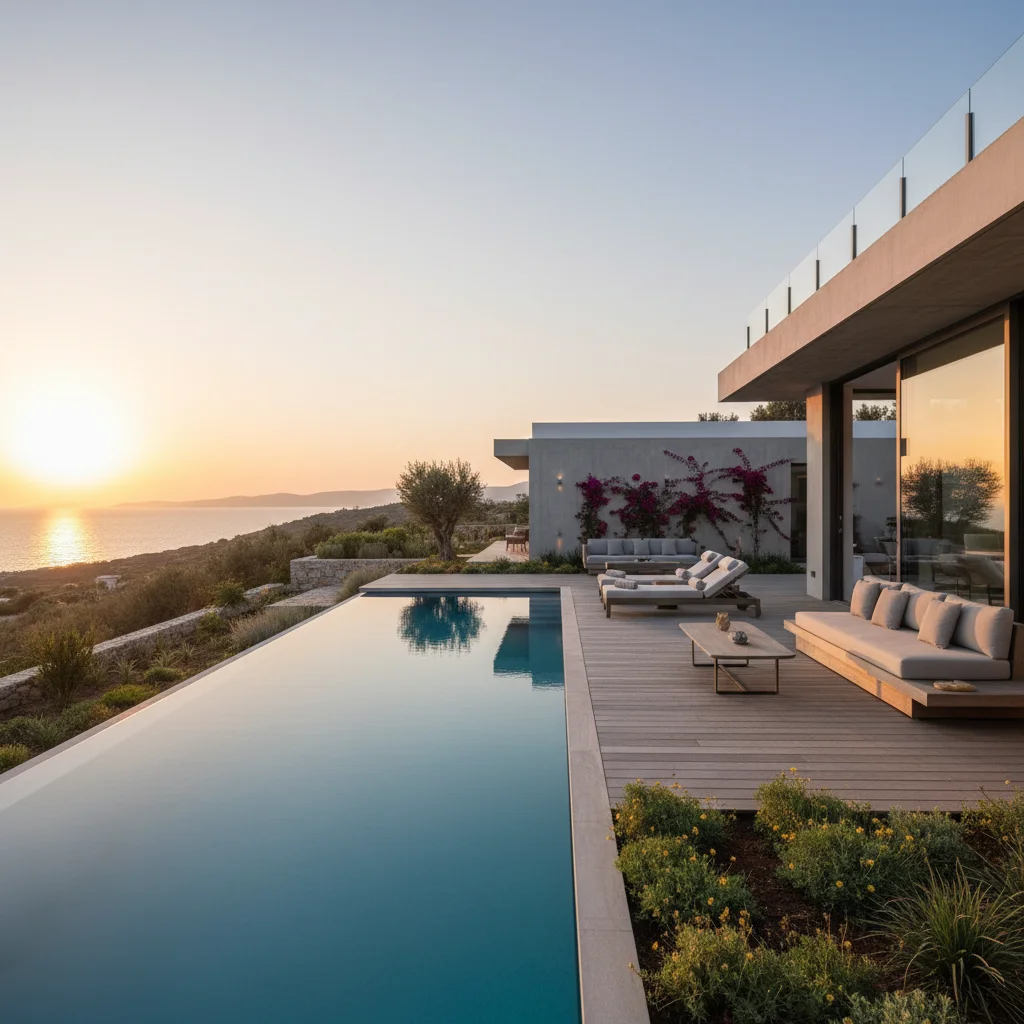
Acquiring real estate in Turkey is straightforward, secure, and governed by comprehensive civil and land registry laws. Working with licensed real estate professionals and certified independent lawyers ensures full legal transparency throughout the transaction.
The initial administrative step requires securing a Turkish Tax Identification Number (Vergi Kimlik Numarası), which can be completed online within minutes via the Turkish Interactive Tax Office portal. Following this, the buyer opens a personal Turkish bank account. International funds can then be remitted cleanly from foreign accounts in US Dollars, Euros, or British Pounds.
Before executing binding contracts or sending reservation deposits, an independent legal representative must check the title deed records at the General Directorate of Land Registry and Cadastre (Tapu ve Kadastro Genel Müdürlüğü). This verification confirms that the villa has:
By Turkish law, all real estate transactions involving foreign nationals require an independent, licensed appraisal report accredited by the Capital Markets Board of Turkey (Sermaye Piyasası Kurulu - SPK). The certified appraiser calculates the physical and market valuation of the villa. For Citizenship by Investment applications, the appraised value must equal or exceed the statutory $400,000 threshold.
Under regulations enacted by the Central Bank of the Republic of Turkey (TCMB), foreign buyers cannot directly transfer foreign currency to property sellers during title deed conveyance. Instead, the buyer's Turkish bank must exchange the foreign currency (USD) into Turkish Lira through the Central Bank prior to the property closing.
The bank issues an official document called the Döviz Alım Belgesi (DAB), which details the buyer's identification, the exact USD sum converted, and the property's cadastral parcel data. This certificate is submitted directly to the Land Registry office to validate the sale.
Once the Land Registry confirms the documentation, an appointment is scheduled. The buyer (or their legal representative holding a notarized Power of Attorney) signs the official register in the presence of a sworn government translator. The physical title deed (Tapu Senedi) is then issued in the buyer's name on the same day.
While Turkey remains cost-effective compared to Spain, France, or Italy, buyers must account for the secondary acquisition expenses to build an accurate purchase budget.
The state title deed conveyance tax stands at 4% of the legally declared sales price. Customarily in Turkey, this cost is split equally (2% by the buyer, 2% by the seller), although commercial agreements can specify that the buyer covers the total 4%, depending on the negotiated purchase terms.
Newly built properties sold by developers are subject to Value Added Tax (Katma Değer Vergisi - KDV), which ranges from 1% to 20% depending on property type and classification. However, non-resident foreign nationals purchasing their first property in Turkey with funds brought in from abroad can apply for an official KDV Exemption, saving considerable capital at closing.
Securing the keys to a luxury villa is simply the first phase of ownership. For investors not residing in Turkey year-round, establishing professional property management infrastructure protects asset value and maximizes cash flow.
In resort areas like Bodrum, Kalkan, and Antalya, private villas experience peak seasonal rental demand from June through September. By partnering with reputable hospitality and property management agencies, owners can offer their villas to international vacationers, commanding rates from $500 to $3,000+ USD per night depending on location, capacity, and luxury specifications.
Detached properties require continuous upkeep, including chemical pool servicing, garden landscaping, perimeter security systems, and preventative mechanical maintenance. Most luxury gated developments in Turkey feature on-site maintenance teams funded by a standardized monthly service fee (Aidat), relieving remote owners of operational responsibilities.
No. Under current Central Bank of Turkey regulations, foreign currencies must be converted to Turkish Lira through an authorized Turkish bank before the transaction closes. The bank issues a foreign exchange certificate (Döviz Alım Belgesi - DAB), which is presented to the Land Registry office. However, initial reservations and purchase contracts are structured and negotiated directly in USD.
Purchasing a villa guarantees eligibility to apply for Turkish citizenship, provided the property has an independent SPK valuation and an official DAB conversion of at least $400,000 USD, and that the buyer places an official 3-year no-sale annotation on the title deed.
Yes, foreign nationals can purchase private residential villas and land plots. However, statutory limits apply: foreign individuals cannot own more than 30 hectares (300,000 square meters) of land across Turkey, and the acquisition cannot fall within restricted military or national security zones.
Annual real estate taxes (Emlak Vergisi) in Turkey are remarkably low compared to most Western nations. For residential properties in metropolitan municipalities such as Istanbul, Antalya, and Muğla (Bodrum), the annual property tax is 0.2% of the municipality-assessed tax value of the home.
Market insights and transaction guidelines in this publication were referenced from industry data provided by Emlak Platform, Mbany Real Estate, and Massar Istanbul.