US Dollar - USD
- Turkish Lira - TRY
- US Dollar - USD
- Euro - EUR
- Pound sterling - GBP
- Russian Ruble - RUB
- Chinese Yuan - CNY
- Georgian lari - GEL
- Saudi Riyal - SAR
- UAE Dirham - AED
Turkish citizenship by birth is governed by two fundamental principles: jus sanguinis (right of blood) and jus soli (right of soil). These legal frameworks determine how individuals can acquire Turkish nationality from birth, establishing clear pathways for citizenship acquisition based on parentage and place of birth.
The Turkish Citizenship Law, which underwent significant reforms in recent years, provides comprehensive guidelines for birth-based citizenship acquisition. Understanding these regulations is crucial for families planning their future in Turkey and those seeking to establish their legal status.
Under Turkish law, children automatically acquire Turkish citizenship if their father is a Turkish citizen at the time of birth, regardless of where the birth occurs. This principle applies globally and includes:
Turkish mothers can also transmit citizenship to their children, with the following conditions:
When one parent is Turkish and the other holds foreign nationality, children typically acquire dual citizenship, subject to the laws of both countries involved.
Looking for the best real estate investment opportunity in Istanbul?
We help you choose the right property based on your budget and goals
Get a Free Consultation
Turkey applies a restricted form of jus soli, meaning birth on Turkish territory alone does not automatically grant citizenship. However, specific circumstances can lead to citizenship acquisition:
| Scenario | Citizenship Eligibility | Additional Requirements |
|---|---|---|
| Foundling children | Automatic Turkish citizenship | Unknown parentage, found in Turkey |
| Stateless children | Eligible for Turkish citizenship | Born in Turkey to stateless parents |
| Children of unknown parents | Automatic Turkish citizenship | No identifiable foreign nationality |
Children found in Turkey without known parentage automatically receive Turkish citizenship to prevent statelessness. This humanitarian provision ensures protection for vulnerable minors.
While birth to refugee parents in Turkey doesn't automatically confer citizenship, special pathways exist for long-term residents and those meeting specific integration criteria.
Registering a Turkish citizen child requires specific documentation:
Birth registration must occur within specific timeframes:
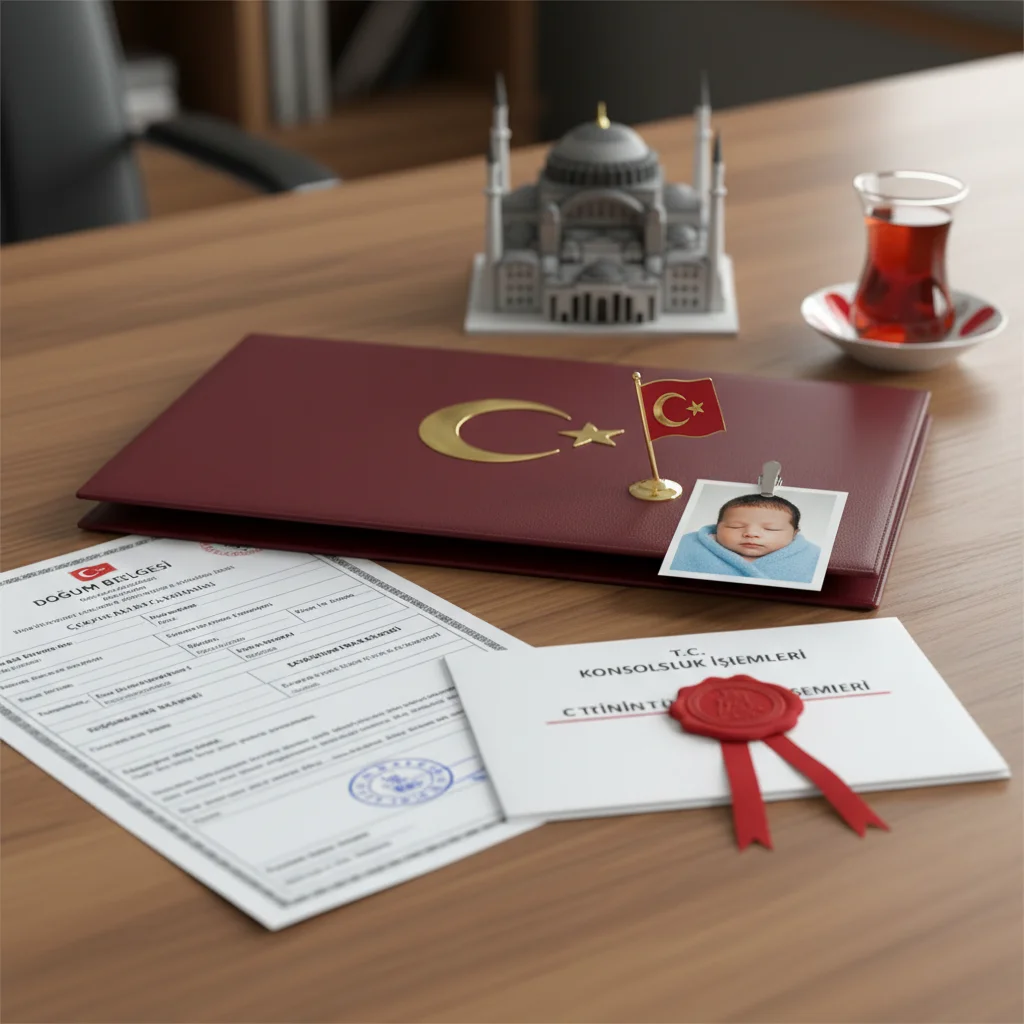
Turkish consulates worldwide provide birth registration services for Turkish citizens abroad, ensuring citizenship transmission to newborns regardless of location.
Turkey recognizes dual citizenship, allowing individuals to maintain Turkish nationality alongside other citizenships. This policy particularly benefits:
Dual Turkish citizens enjoy full rights but must also fulfill certain obligations:
Recent amendments to Turkish citizenship law have streamlined birth-based citizenship processes:
These reforms particularly benefit international families by providing clearer guidelines and faster processing times for citizenship documentation and registration.
Families should consider several factors when planning for children's citizenship:
Missing or inadequate documentation can complicate citizenship registration. Early preparation and consultation with Turkish consular services help avoid delays.
Different countries' citizenship laws may conflict, requiring legal guidance to navigate complex situations involving multiple nationalities.
Children acquiring Turkish citizenship by birth gain immediate access to:
Turkish citizenship provides long-term benefits including:
Turkish citizenship by birth offers valuable opportunities for individuals and families, whether through bloodline connections or specific territorial circumstances. Understanding the legal framework, documentation requirements, and recent reforms ensures smooth navigation of the citizenship acquisition process.
The dual citizenship policies and streamlined procedures make Turkish nationality an attractive option for international families seeking to establish roots in Turkey while maintaining connections to other countries.
Information sourced from Emlak Platform - emlakplatform.com.tr and Mbany Real Estate - mbany.com