US Dollar - USD
- Turkish Lira - TRY
- US Dollar - USD
- Euro - EUR
- Pound sterling - GBP
- Russian Ruble - RUB
- Chinese Yuan - CNY
- Georgian lari - GEL
- Saudi Riyal - SAR
- UAE Dirham - AED
- Syrian Pound - SYP
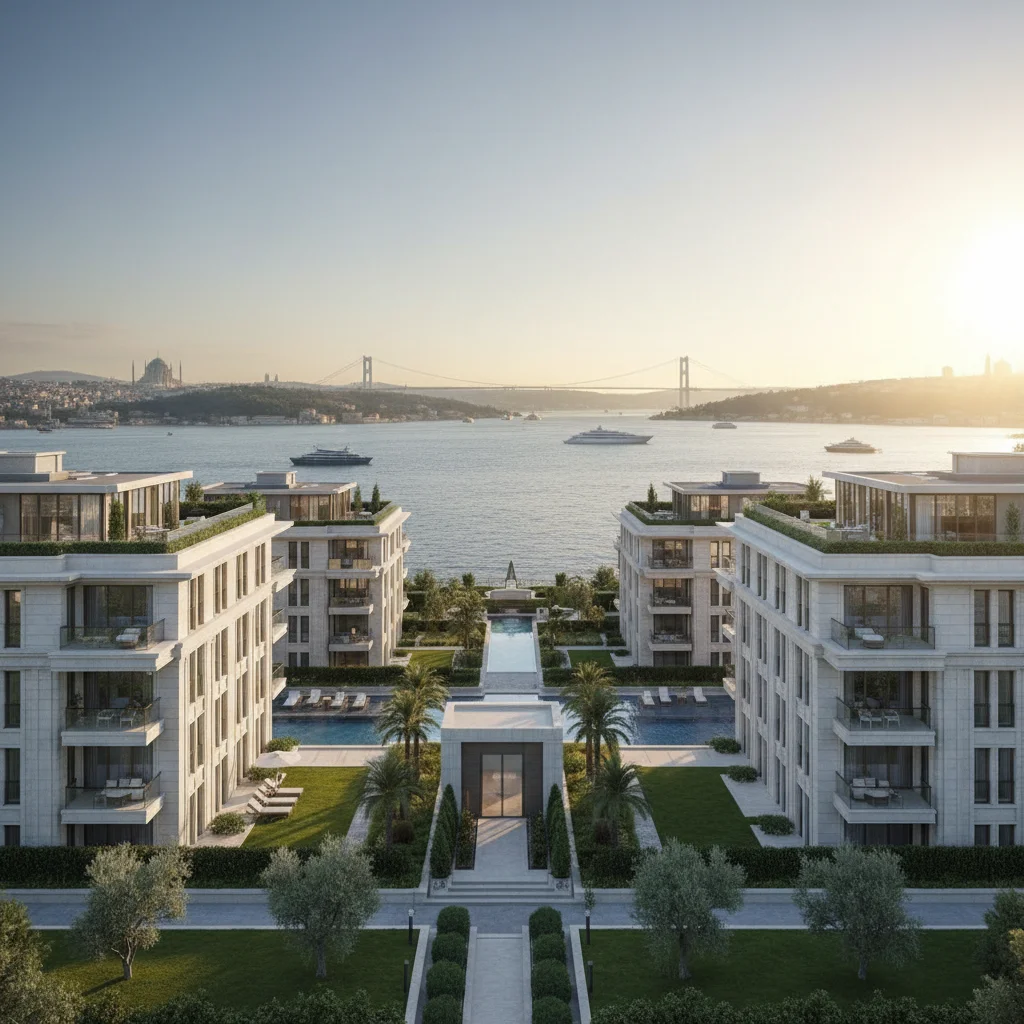
Few property markets sit at as consequential a geographic and economic crossroads as Turkey. Bridging Southeastern Europe, the Levant, and Central Asia, the country has spent the past two decades transforming its urban housing stock, transit corridors, and legal infrastructure for cross-border capital. For international buyers in 2026, however, the playbook has matured significantly. The era of rapid speculative flipping has given way to disciplined, long-term real estate investment in Turkey—a strategy centered on structural urban demand, inflation-resilient rental yields, residency security, and citizenship optionality.
Approaching Turkish property with a five-to-ten-year horizon changes every decision an investor makes. Rather than chasing promotional off-plan discounts in untested outskirts, long-term investors focus on land scarcity, public transit connectivity, developer solvency, habitation licensing, and tenant quality. When acquired through thorough legal due diligence and managed professionally, Turkish residential and commercial assets can function simultaneously as a hard-asset store of value, an income-producing holding, and a gateway to one of the region's most dynamic economies.
Short-term market cycles in Turkey can look turbulent to outside observers, particularly when monetary policy tightens or exchange rates adjust. Yet zooming out over multi-year intervals reveals why both domestic institutions and foreign family offices continue allocating capital into Turkish bricks and mortar. The underlying fundamentals rest on demographic demand, physical urban replacement, and connectivity upgrades rather than temporary credit booms.
Turkey has a median age notably younger than the European Union average, generating steady household formation across major metropolitan centers. Young professionals, university students, and expanding families create persistent baseline demand for modern, well-located apartments. At the same time, much of the older housing stock built prior to 2000 in cities like Istanbul, Izmir, and Bursa is undergoing systematic urban transformation, known locally as kentsel dönüşüm.
This state-backed renewal drive replaces aging, non-compliant structures with earthquake-resilient developments featuring underground parking, thermal insulation, and modern amenities. For long-term investors, buying into newly completed or late-stage urban renewal projects in established neighborhoods captures two advantages at once: the irreplaceable convenience of a central location and the lower maintenance profile of contemporary engineering standards.
Over the past decade, public infrastructure spending has redrawn Turkey's real estate map. In Istanbul, successive extensions of the metro network, the Marmaray rail tunnel beneath the Bosphorus, and the global hub capacity of Istanbul Airport have shifted commuting patterns and unlocked suburban corridors that were previously peripheral. Across western Anatolia, the Istanbul–Izmir motorway and high-speed rail links have shortened travel times between industrial, logistical, and coastal lifestyle centers.
History shows that real estate values in Turkey re-rate most reliably around completed transit nodes rather than distant announcements. Long-term buyers who anchor their acquisitions within walking distance of operational metro stations, major business parks, and medical campuses benefit from tighter vacancy rates and stronger resale liquidity when they eventually decide to exit.
Property in prime Turkish districts has traditionally acted as a natural hedge against domestic inflation. Over multi-year periods, replacement costs—driven by imported construction materials, steel, labor, and scarce urban land—push property valuations upward in nominal terms and support hard-currency price floors in sought-after neighborhoods. Even during periods of elevated domestic mortgage rates that temporarily sideline local credit buyers, cash-rich investors who acquire quality inventory at favorable entry multiples position themselves well for the next liquidity expansion.
Looking for the best real estate investment opportunity in Istanbul?
We help you choose the right property based on your budget and goals
Get a Free Consultation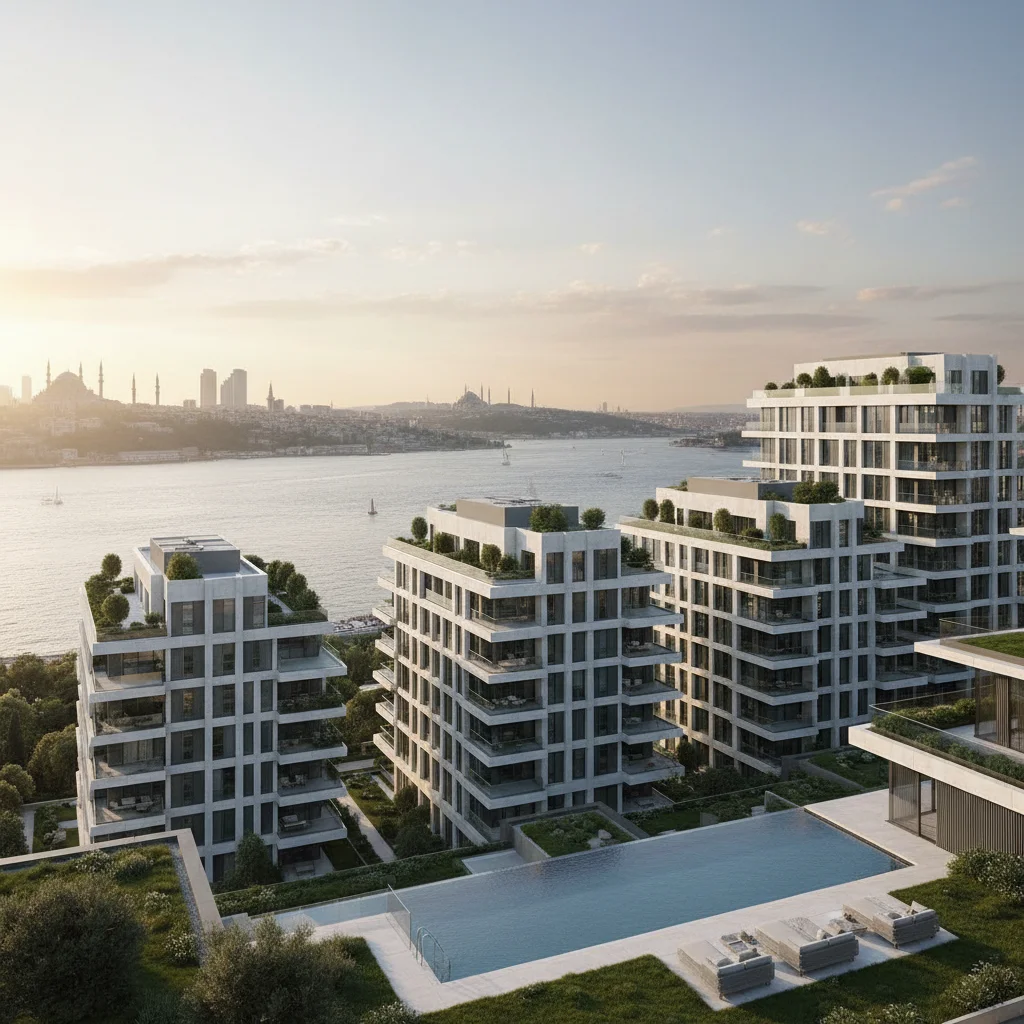
Turkey is not a single monolithic property market. Yield profiles, tenant demographics, seasonal occupancy, and municipal regulations vary sharply between financial capitals, coastal resort cities, and Anatolian manufacturing hubs. Matching the city and micro-district to your investment objective is essential before reviewing individual listings.
As the nation's financial, cultural, and corporate engine, Istanbul accounts for the deepest liquidity and the widest range of tenant profiles. Within the city, however, micro-location determines long-term performance.
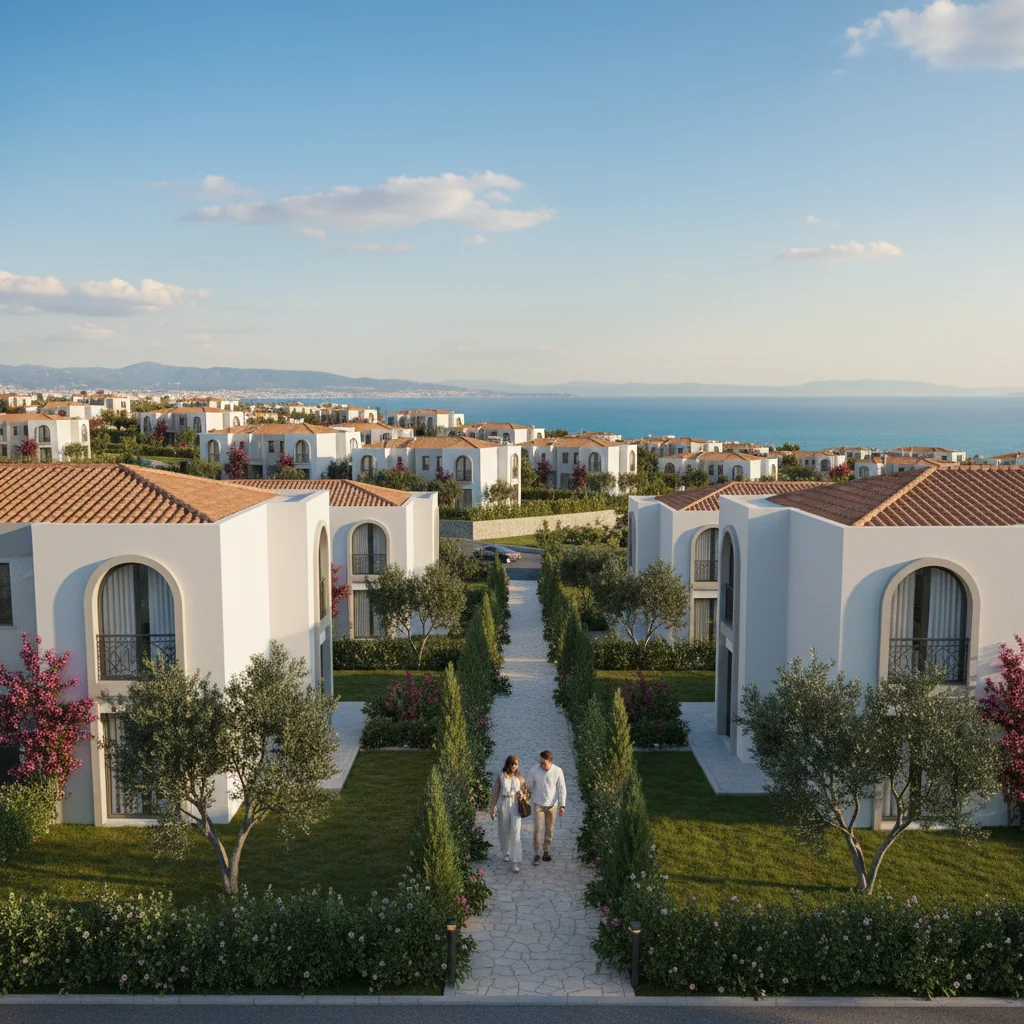
Antalya has transitioned from a purely seasonal holiday destination into a year-round international city with strong appeal among European, Middle Eastern, and CIS-region residents. Districts such as Konyaaltı, Lara, and Döşemealtı attract long-stay retirees, remote workers, and families seeking international schooling alongside Mediterranean climate benefits. Investors in coastal provinces must pay close attention to residency neighborhood quotas and tourism rental licensing rules before assuming short-term yield projections.
For buyers prioritizing stability over headline glamour, Turkey's secondary metropolitan centers offer compelling fundamentals. Ankara benefits from steady government, diplomatic, defense, and university-driven rental demand with relatively predictable price movements. Izmir combines an expanding Aegean port and tech ecosystem with strong domestic lifestyle migration from Istanbul, particularly in Çeşme, Urla, and central Bayraklı. Bursa, connected to Istanbul via the Osmangazi Bridge, leverages automotive and industrial employment to sustain reliable working-family occupancy.
| Region / City | Primary Demand Driver | Typical Asset Profile | Ideal Holding Horizon | Key Risk Consideration |
|---|---|---|---|---|
| Central Istanbul (Şişli, Kadıköy, Ataşehir) | Corporate employment, finance, universities | High-rise residences, boutique urban apartments | 5 to 10+ years | High entry prices and strict neighborhood supply |
| Outer Istanbul (Başakşehir, Kartal) | Growing families, healthcare, infrastructure corridors | Gated compound family units (2+1, 3+1) | 5 to 8 years | Competing new supply in developing zones |
| Antalya Coast | Tourism, international relocation, remote workers | Resort-style complexes and coastal villas | 5 to 10 years | Closed residency zones and short-term rental permits |
| Izmir and Aegean | Domestic lifestyle migration, trade, tech | Modern urban towers and coastal townhouses | 7 to 10 years | Seismic compliance of older building stock |
| Ankara and Bursa | Diplomatic, public sector, industrial workforce | Standard residential flats and commercial units | 5 to 10 years | Slower hard-currency appreciation during peak cycles |
A major differentiator for property investment in Turkey is the direct link between real estate ownership and legal status. In 2026, two distinct statutory pathways remain central to international buyer strategies: Turkish Citizenship by Investment and the Property-Based Residence Permit.
Foreign nationals can qualify for Turkish citizenship by acquiring one or multiple properties with a combined officially appraised value of at least $400,000 USD. Unlike residency permits, citizenship grants full passport rights, unrestricted right to work and reside in Turkey, and includes the investor's spouse and dependent children under the age of 18.
Strict procedural rules govern eligibility:
Investors whose target budget sits below the citizenship threshold can still pursue a renewable short-term residence permit through property ownership, provided the asset meets a minimum appraised value of $200,000 USD (implemented under updated rules for titles registered from late 2023 onward). Crucially, the property must be residential and genuinely used as a dwelling.
Before committing a deposit for residency purposes, buyers must verify that the property's exact neighborhood (mahalle) is open to new foreign residency registrations. Turkey's Presidency of Migration Management restricts new registrations in neighborhoods where foreign residents exceed a statutory threshold of the local population. Acquiring a compliant home in an open district avoids unexpected permit rejections after closing.
| Program Feature | Citizenship by Investment | Property Residence Permit (İkamet) |
|---|---|---|
| Minimum Property Value (2026) | $400,000 USD (official SPK appraisal) | $200,000 USD (official valuation) |
| Mandatory Holding Period | 3 years (registered Tapu restriction) | Must retain ownership for renewals |
| Family Coverage | Spouse and children under 18 | Spouse and minor children (family permit) |
| Neighborhood Quota Impact | Exempt from closed-neighborhood residency caps | Subject to open-neighborhood verification |
| Work Authorization | Full right to work without separate permit | Does not grant automatic work authorization |
Turkey's Land Registry system is centralized and efficient, allowing clean transactions to close within days once documentation is complete. However, speed should never replace verification. Long-term buyers protect their capital by following a disciplined legal and financial sequence.
Before signing a reservation form or wiring a deposit, an independent Turkish real estate attorney should audit the property's registry record at the local Land Registry Directorate (Tapu ve Kadastro Müdürlüğü). Key checkpoints include:
Once legal checks clear, the buyer obtains a Turkish Tax Identification Number (Vergi Numarası) and opens a local bank account. For foreign buyers, an SPK-licensed valuation report is mandatory regardless of whether citizenship is being sought. Purchase funds are transferred to the Turkish bank, converted into Turkish Lira to generate the official DAB certificate, and delivered to the seller via secure bank transfer or blocked check at closing.
Looking for the best real estate investment opportunity in Istanbul?
We help you choose the right property based on your budget and goals
Get a Free Consultation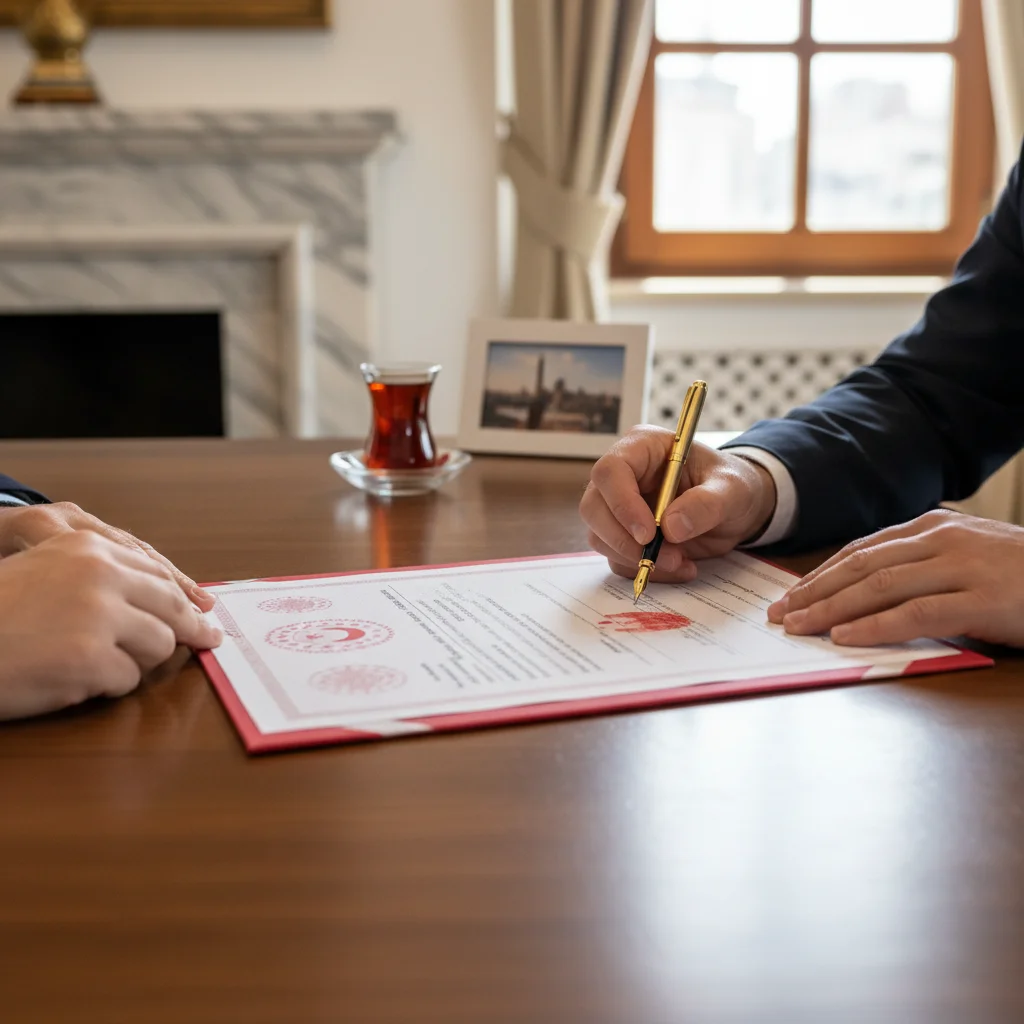
Acquiring a sound asset is only the first half of long-term real estate investment in Turkey. Over a five-to-ten-year holding period, net returns are shaped heavily by tenant selection, lease structuring, building maintenance, and tax efficiency—especially for non-resident landlords managing assets from abroad.
Historically, many foreign investors bought apartments assuming they could place them on short-term vacation platforms year-round. That landscape changed fundamentally with Turkey's Tourism Purpose Rental Law (Konutların Turizm Amaçlı Kiralanması), which regulates stays under 100 days. Owners wishing to operate short-term rentals must now secure a permit from the Ministry of Culture and Tourism and obtain unanimous written consent from all unit owners in the apartment building. Operating without authorization carries steep escalating administrative fines.
For most long-term investors, standard annual residential leases—or properly licensed, professionally operated serviced residences where building bylaws explicitly permit short stays—offer far more predictable compliance. Under the Turkish Code of Obligations, residential leases are typically drafted for one-year terms and renew automatically at the tenant's option unless specific statutory grounds apply. Annual rent escalations follow the official 12-month Consumer Price Index (TÜFE) average published by TurkStat, helping landlords align cash flow with inflation over time.
Because Turkish tenant protection laws make hasty evictions difficult once a lease is signed, upfront screening is critical. Seasoned property managers protect owners by implementing strict onboarding protocols:
Understanding Turkey's tax treatment of rental income and capital gains allows long-term investors to maximize after-tax compounding:
Most disputes encountered by international buyers in Turkey stem not from systemic flaws in the property market, but from shortcuts taken during acquisition. Avoiding these common mistakes safeguards both capital and peace of mind:
As Turkey's property sector moves deeper into 2026, the divide between speculative buying and institutional-grade long-term ownership has never been clearer. Investors who prioritize verified title deeds, transit-connected neighborhoods, realistic rental underwriting, and the five-year tax horizon are positioning themselves in resilient hard assets backed by genuine demographic and economic utility.
Whether your goal is securing a multi-generational residence on the Bosphorus, building an inflation-hedged rental portfolio across Istanbul's commercial corridors, or obtaining Turkish citizenship through a compliant $400,000 allocation, discipline at every step—from initial SPK valuation to ongoing asset management—remains the decisive factor behind lasting returns.
Note: The market insights, regulatory frameworks, and property investment practices outlined in this article were sourced from Emlak Platform, Mbany Real Estate, and Massar Istanbul.