US Dollar - USD
- Turkish Lira - TRY
- US Dollar - USD
- Euro - EUR
- Pound sterling - GBP
- Russian Ruble - RUB
- Chinese Yuan - CNY
- Georgian lari - GEL
- Saudi Riyal - SAR
- UAE Dirham - AED
- Syrian Pound - SYP
The Turkish real estate market in 2026 represents a matured, institutionalized investment environment that uniquely bridges European, Middle Eastern, and Central Asian capital. Over the past decade, Turkey has shifted from an emerging, speculative property hub into a structured marketplace characterized by stricter regulatory oversight, modern construction codes, and transparent cross-border transaction protocols. For international high-net-worth individuals, institutional funds, and lifestyle buyers, purchasing real estate in Turkey is no longer merely a speculative play on currency fluctuations; it is a calculated portfolio diversification strategy anchored by steady rental yields, significant capital appreciation, and premier residency and citizenship privileges.
Macroeconomic shifts across the region, coupled with Turkey’s ongoing infrastructure mega-projects, have bolstered sustained demand across residential, commercial, and industrial asset classes. Cities like Istanbul, Antalya, Ankara, and Izmir continue to benefit from population growth, internal urbanization, and a constant influx of expatriates, digital nomads, and international retirees. To navigate this complex and rewarding landscape, investors must understand current legal frameworks, tax obligations, title deed transfers, and asset management parameters defining the 2026 market.
Turkey’s geographic position as a transcontinental logistics, energy, and financial bridge creates structural resilience for its real estate sector. Several macroeconomic dynamics underpin property valuations and investment returns in 2026:
Looking for the best real estate investment opportunity in Istanbul?
We help you choose the right property based on your budget and goals
Get a Free Consultation
One of the most compelling avenues driving international capital into Turkish property is the country's immigration-linked investment policies. In 2026, the legal framework governing citizenship and long-term residency remains a benchmark for foreign investors seeking international mobility, wealth protection, and lifestyle flexibility.
The Turkish Citizenship by Investment Program continues to operate with rigorous oversight. Foreign investors can acquire Turkish citizenship by purchasing real estate meeting the statutory valuation minimum (historically benchmarked at $400,000 USD or equivalent foreign currency). Key procedural requirements in 2026 include:
For investors who do not intend to apply for direct citizenship, purchasing residential property provides an established gateway to obtaining a Turkish Real Estate Residence Permit (Tapu Amaçlı İkamet İzni). Under modernized regulatory thresholds, properties purchased for residency must fulfill minimum evaluated purchase prices, ensuring that permit holders contribute sustainably to local economies. This residence permit grants unrestricted physical presence in the country, access to national healthcare systems, domestic bank accounts, and educational facilities for dependents, with straightforward annual or biennial renewal procedures.
Turkey offers geographically and economically diverse markets, each tailored to distinct investor profiles—ranging from long-term institutional wealth preservation to high-turnover tourism yields.
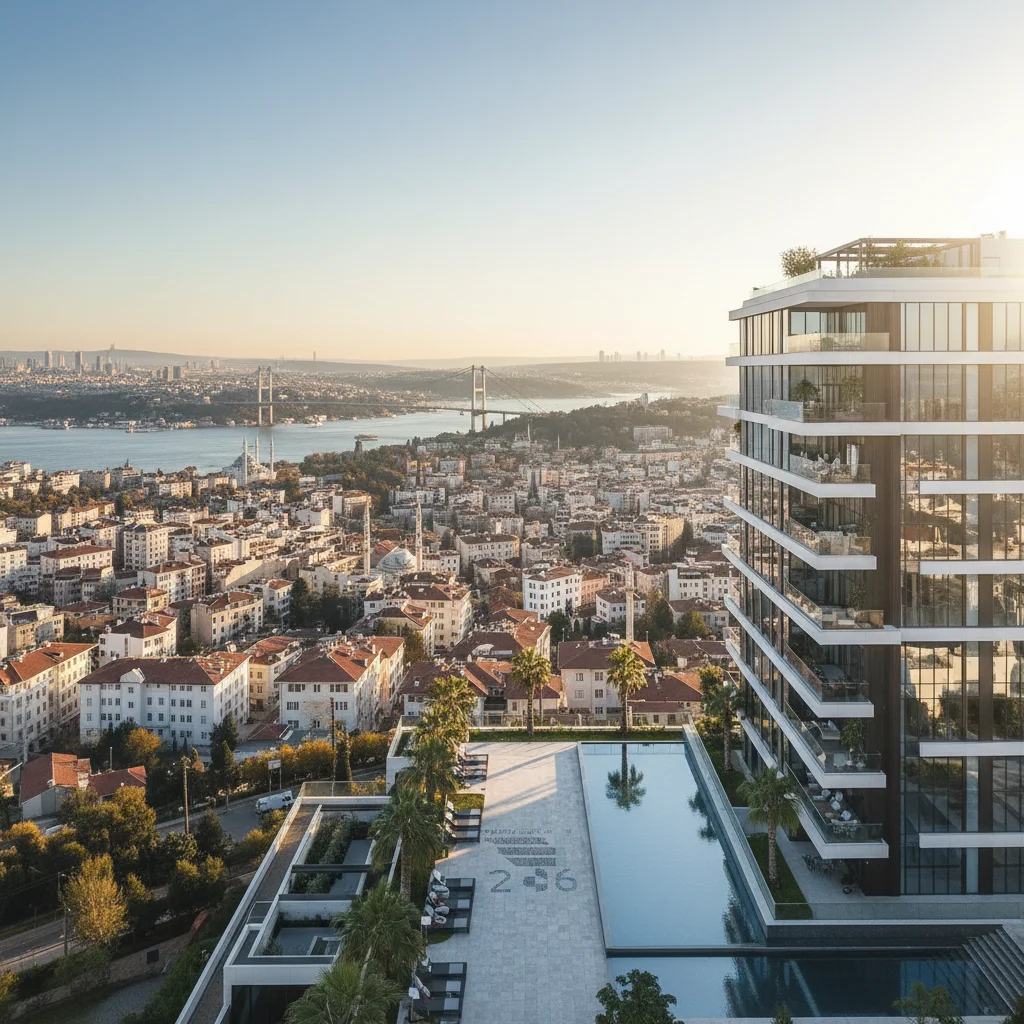
Istanbul remains the undisputed epicenter of Turkish real estate. The metropolis offers two contrasting real estate profiles: mature central urban zones and master-planned expansion corridors.
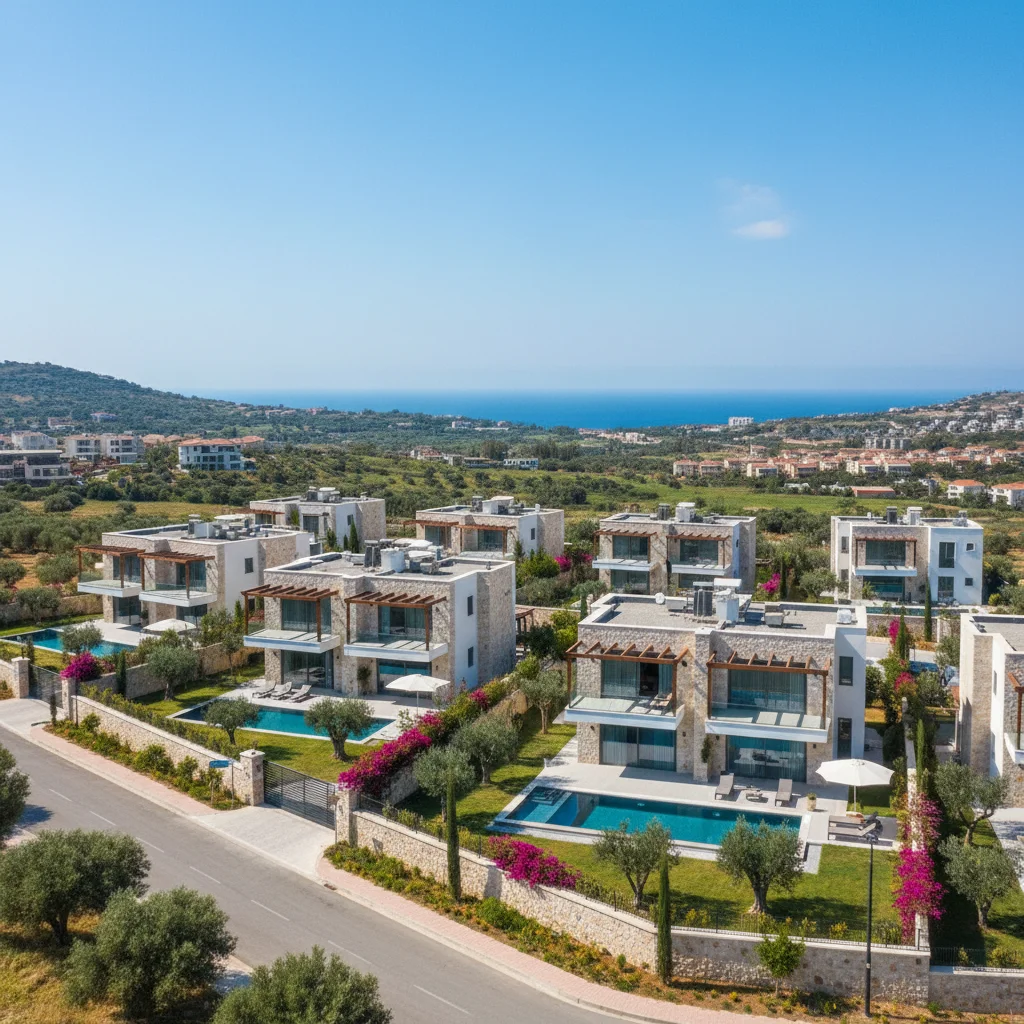
The Turkish Riviera represents one of the most liquid holiday home and short-term rental markets in the Mediterranean basin. Supported by year-round international flights through Antalya Airport, this region appeals heavily to European and Central Asian property buyers.
Bodrum has evolved into an international luxury enclave competing directly with the French Riviera and the Balearic Islands. Iconic locations such as Yalıkavak, Göltürkbükü, and Gümüşlük feature ultra-prime detached villas, mega-yacht marinas, and branded hospitality developments managed by global hotel operators. Valuations in Bodrum are predominantly pegged to foreign currencies, offering hedge stability and significant capital appreciation for high-net-worth investors.
Looking for the best real estate investment opportunity in Istanbul?
We help you choose the right property based on your budget and goals
Get a Free Consultation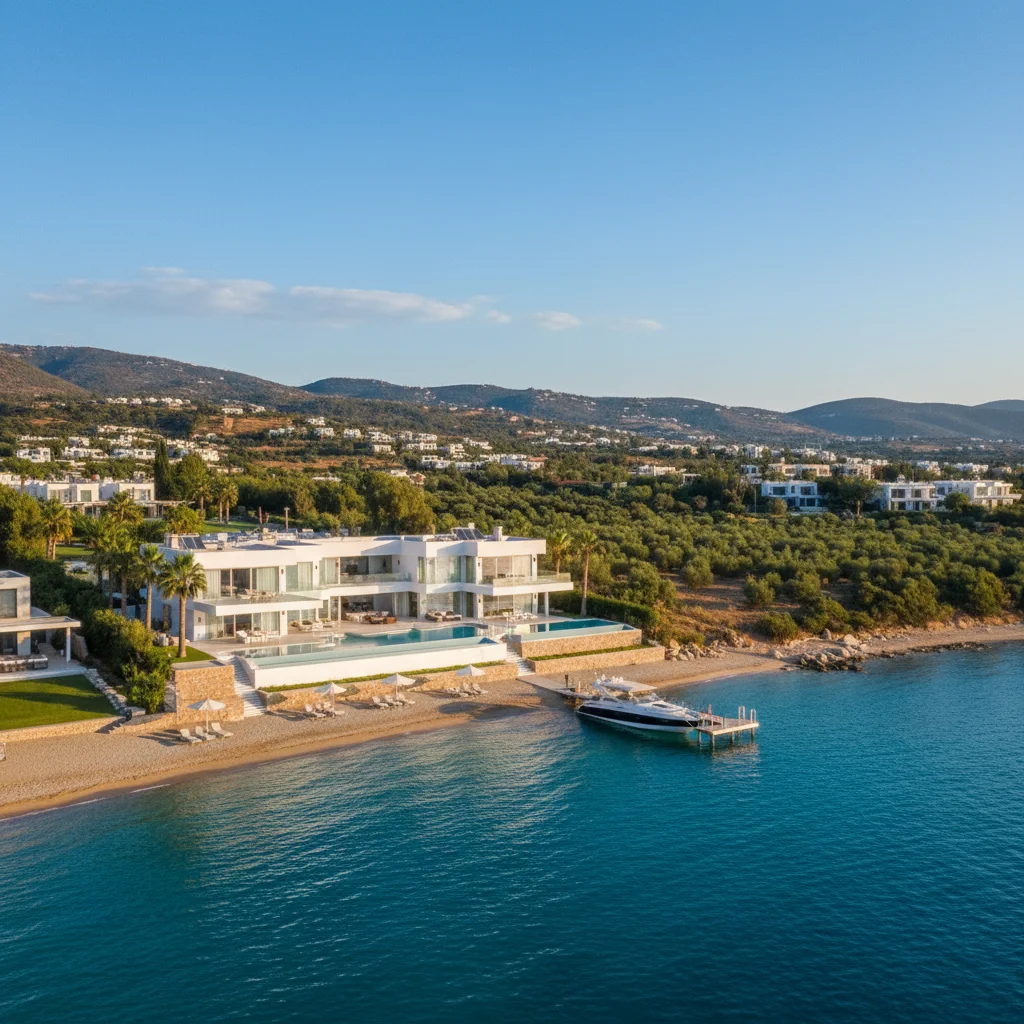
The following table outlines the key investment metrics across Turkey’s primary real estate markets for 2026:
| City / Region | Primary Asset Class | Target Investor Profile | Average Gross Rental Yield | Key Investment Objective |
|---|---|---|---|---|
| Istanbul (Central) | Luxury Residences & Grade-A Offices | HNWIs, Institutional Funds, Corporate Execs | 4.5% – 6.5% | Capital Preservation & Steady Appreciation |
| Istanbul (Suburbs/Corridors) | Master-Planned Mixed-Use Projects | CBI Applicants, Growth Investors | 6.0% – 8.0% | High Capital Growth & Entry Affordability |
| Antalya & Alanya | Resort Condominiums & Holiday Villas | Lifestyle Buyers, Short-Term Rental Operators | 7.0% – 9.5% | Tourism Cash Flow & Lifestyle Utility |
| Bodrum Peninsula | Ultra-Prime Branded Coastal Villas | Global Ultra-HNWIs, Family Offices | 4.0% – 6.0% | Prestige Lifestyle & FX-Hedged Equity |
| Izmir & Çeşme | Urban Apartments & Aegean Holiday Homes | Domestic Affluent, Relocation Professionals | 5.0% – 7.0% | Balanced Yield & Long-Term Appreciation |
| Ankara | Diplomatic & Student Residential Units | Income-Focused Conservative Investors | 6.5% – 8.0% | Consistent Tenant Retention & Low Vacancy |
Foreign buyers enjoy clear property acquisition rights under Turkish law, which operates on a freehold (Mülkiyet) basis. The legal framework protects foreign ownership, ensuring equal title rights with domestic citizens. The purchasing process involves the following sequential phases:
Engaging an independent, licensed Turkish real estate lawyer (Avukat) is critical. Counsel verifies that the property is free of legal encumbrances, including mortgages (İpotek), court attachments (Haciz), or demolition orders. Legal counsel also verifies the title deed category, ensuring the unit possesses residential occupancy certification (İskan) rather than mere agricultural or construction status.
Every foreign purchaser must obtain a Potential Tax Identification Number (Vergi Kimlik Numarası) from the Turkish Tax Office, which can be acquired online or in person via passport presentation. Following this, an account is opened at a licensed Turkish retail or private bank to facilitate official fund transfers, DAB certificate processing, and utility management.
An official valuation by a Capital Markets Board (SPK)-licensed firm is legally mandatory for all property acquisitions involving foreign buyers. The resulting report establishes the definitive property value registered with the Land Registry and Cadastre Information System (TAKBİS), preventing artificial property overvaluation or tax evasion.
Under the foreign exchange regulations, buyers transfer foreign currency (USD, EUR, or GBP) to their Turkish bank account, which is then converted through the Central Bank into Turkish Lira. The bank issues the formal Foreign Exchange Purchase Certificate (Döviz Alım Belgesi), certifying the investor’s full legal compliance.
The definitive transaction takes place exclusively at the local Land Registry Directorate (Tapu Müdürlüğü) or via a licensed Turkish notary under designated circumstances. Both buyer and seller (or their legal representatives acting through a Power of Attorney / Vekaletname) sign the official register. A sworn, state-certified translator must be present for non-Turkish-speaking buyers. Once signed, the physical Title Deed (Tapu Senedi) is issued to the new owner.
A comprehensive investment calculation must account for acquisition costs, one-off taxes, and recurring property obligations in Turkey:
Maximizing returns on Turkish real estate requires active operational management, especially given legislative updates surrounding long-term tenancy laws and short-term vacation rentals.
Investors leveraging Turkey’s booming tourism sector must comply with the modernized statutory regulations for holiday lettings. Key compliance points include:
Properties meeting these statutory standards generate gross yields reaching 8% to 11% annually in primary tourism hubs like Antalya, Alanya, and central Istanbul, significantly outperforming conventional long-term leases.
For investors prioritizing low-maintenance, predictable returns, long-term residential leases (minimum 1-year contracts) remain standard. Lease agreements should include notarized eviction undertakings (Tahliye Taahhütnamesi) executed after the primary tenancy contract begins. This legal document safeguards landlords by establishing an agreed-upon move-out date should the owner require repossession, protecting against complex tenancy litigation.
While the Turkish real estate market offers lucrative prospects, capital protection relies on disciplined risk mitigation measures:
Looking ahead through 2026 and into the next decade, the Turkish property market continues its trajectory toward digitization, green architecture, and institutional consolidation. The mandatory roll-out of electronic title deed transfers (Web-Tapu), blockchain-backed land registry integrations, and stricter energy-efficiency building standards (BREEAM and LEED certifications) are elevating market transparency to mature European standards.
As international mobility remains a top priority for global investors, Turkey’s unique combination of lifestyle appeal, geopolitical relevance, accessible residency paths, and attractive risk-adjusted property valuations positions its real estate sector as an enduring cornerstone for international wealth structuring.
Information and market data sourced from:
- Emlak Platform
- Mbany Real Estate
- Massar Istanbul