US Dollar - USD
- Turkish Lira - TRY
- US Dollar - USD
- Euro - EUR
- Pound sterling - GBP
- Russian Ruble - RUB
- Chinese Yuan - CNY
- Georgian lari - GEL
- Saudi Riyal - SAR
- UAE Dirham - AED
- Syrian Pound - SYP
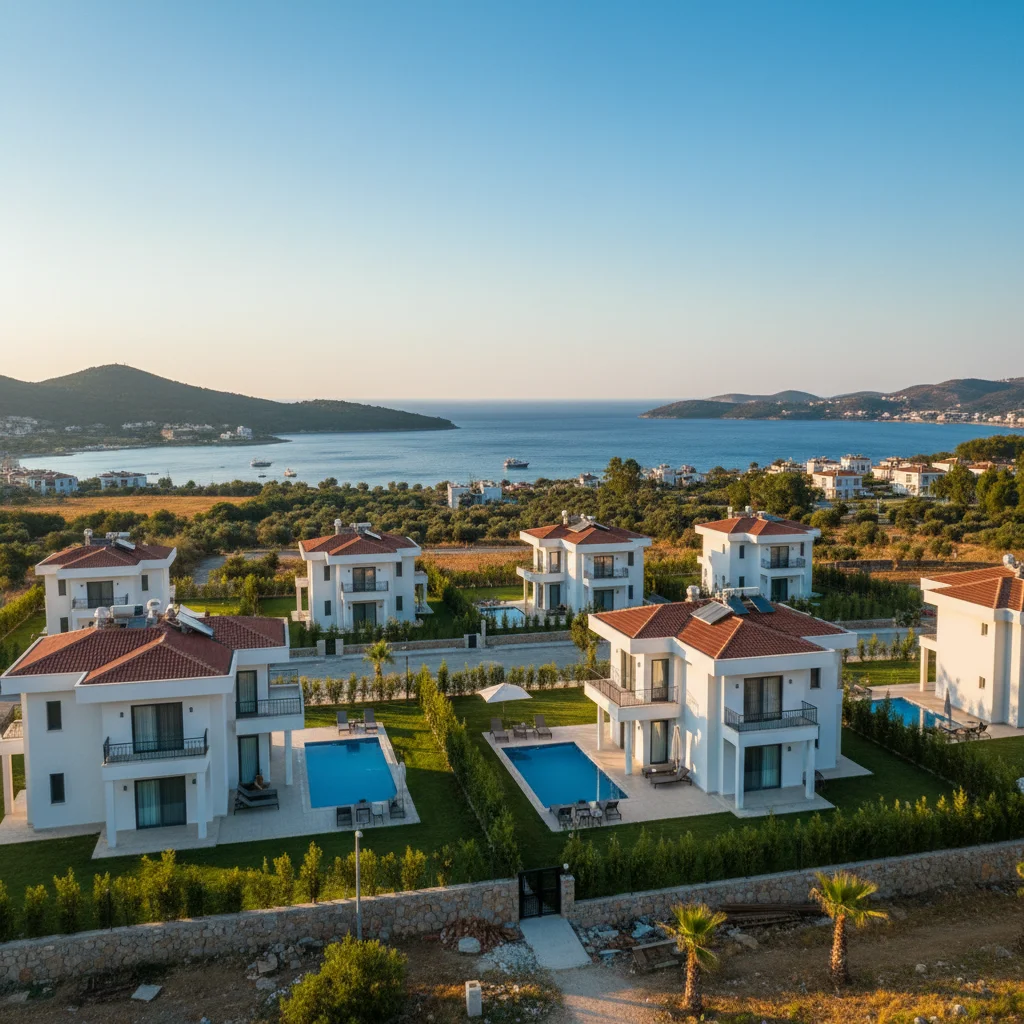
The global demand for private, spacious residential real estate has reshaped investor priorities over recent years. Turkey has emerged as a premier destination for international buyers seeking independent living without the prohibitive price tags associated with Western European coastal resorts. The search for affordable villas for sale in Turkey has transitioned from a niche holiday-home pursuit into a strategic capital deployment move, attracting retirees, lifestyle expatriates, and institutional portfolio managers alike.
Turkey’s unique geographic position bridging Europe and Asia, paired with a robust construction sector, enables developers to deliver freestanding and semi-detached residences at a fraction of the cost found in Spain, Greece, or southern France. Whether positioned along the turquoise waters of the Mediterranean, nested within the Aegean pine forests, or situated in peaceful rural corridors bordering metropolitan centers, budget-friendly villas provide generous outdoor spaces, private swimming pools, and dedicated gardens. Navigating this sector requires a sharp analytical perspective on regional price per square meter benchmarks, hidden transaction costs, legal due diligence, and currency exchange mechanisms.
In mature real estate markets, an independent villa often demands budgets exceeding half a million dollars. In Turkey, the concept of affordability spans a distinct, accessible bracket ranging from $150,000 to $350,000. Properties falling within this parameter offer comfortable multi-bedroom layouts, modern infrastructure, and communal or private leisure facilities.
Purchasers exploring entry-level price points encounter three primary structural formats:
Acquiring an older resale villa in established towns like Didim or Side frequently presents lower headline purchase prices, yet buyers must account for immediate capital expenditure toward modernization, plumbing upgrades, and thermal insulation retrofits. Conversely, entering off-plan developments at ground-breaking stages enables investors to lock in phase-one pricing—often 15% to 25% below market completion values—backed by staggered, interest-free developer installment plans stretching across 12 to 24 months.
Property pricing across Turkey is fundamentally dictated by land availability, coastal proximity, infrastructure development, and municipal zoning limitations. Investors targeting affordable villas must evaluate regional trade-offs between rental yield liquidity and capital appreciation rates.
Antalya represents the epicenter of foreign real estate transactions in Turkey. While central Konyaalti and Lara feature premium pricing, its satellite regions offer remarkable entry-level bargains:
While Bodrum remains the stomping ground for ultra-high-net-worth acquisitions, surrounding Aegean corridors maintain accessible price points for value-driven buyers:
Looking for the best real estate investment opportunity in Istanbul?
We help you choose the right property based on your budget and goals
Get a Free Consultation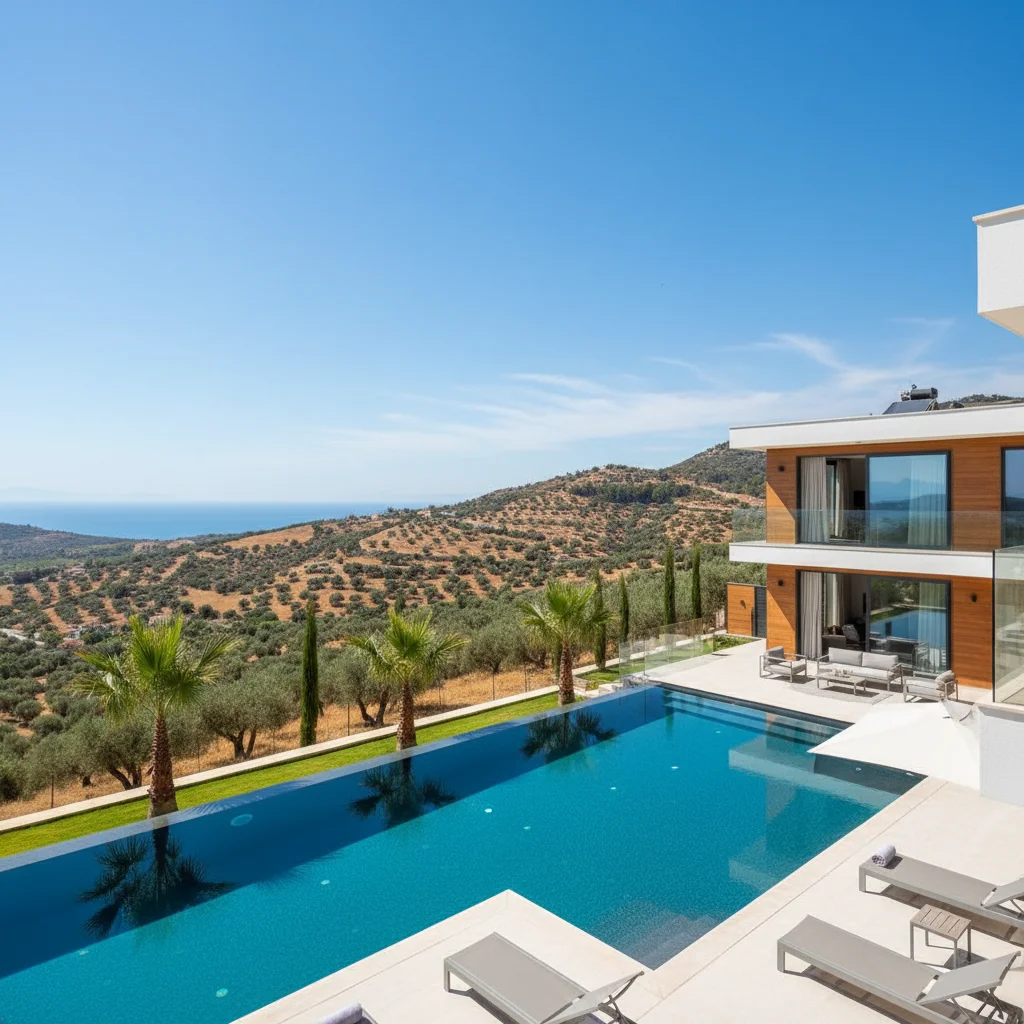
For buyers who prioritize lush forest scenery, cooler seasonal climates, and accessibility to Istanbul, northwestern Turkey delivers unmatched opportunities:
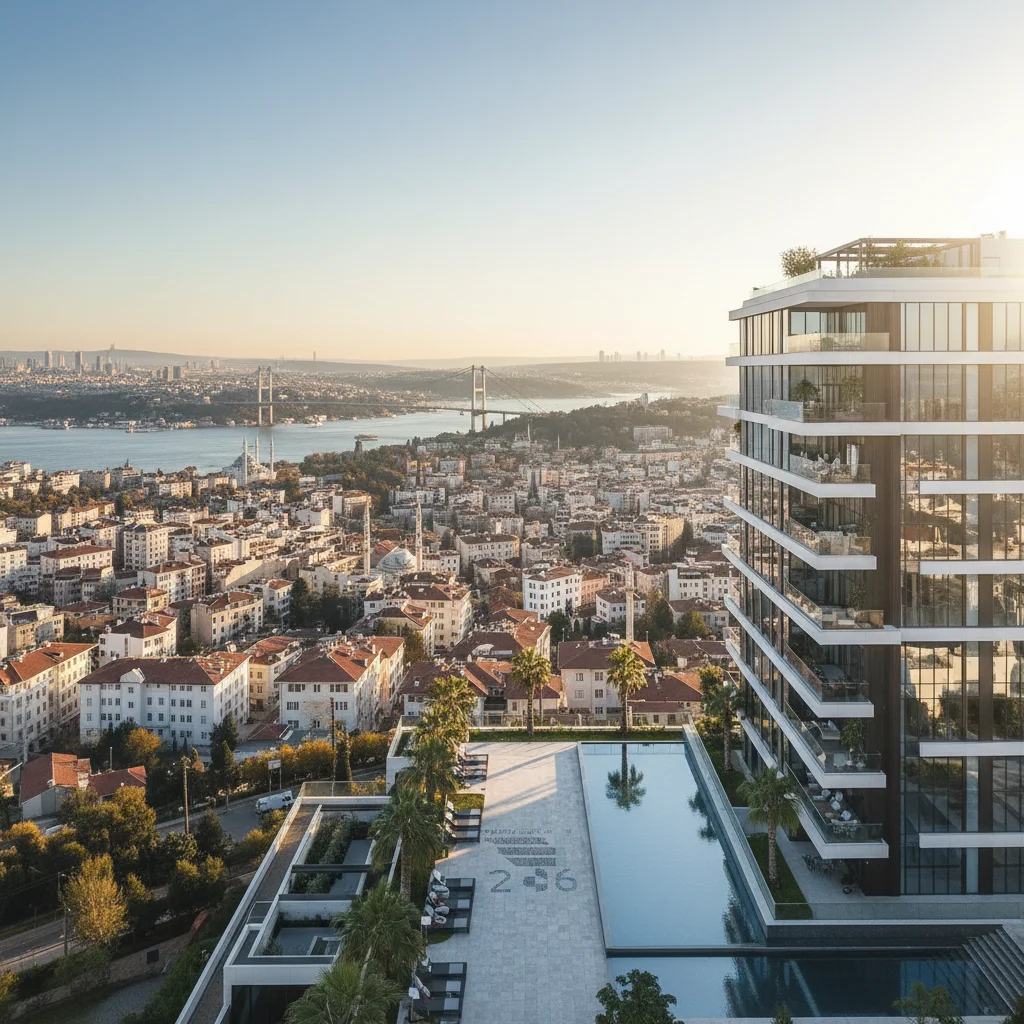
Investors seeking villa living within the economic powerhouse of Istanbul must pivot their attention toward the European periphery. Districts such as Silivri and Catalca maintain extensive agricultural and suburban zoning, providing detached living with substantial private gardens for the price of an average central apartment. These regions benefit from infrastructure links, including the Northern Marmara Motorway, ensuring practical connectivity to Istanbul International Airport.
The following table outlines prevailing market metrics for affordable villa formats across primary investment regions, providing clear benchmarks for property acquirers.
| Region / Municipality | Predominant Villa Type | Average Price Range (USD) | Projected Gross Rental Yield | Primary Buyer Persona |
|---|---|---|---|---|
| Alanya (Demirtas / Kargicak) | Semi-Detached / Hillside Detached | $180,000 – $270,000 | 7.0% – 9.5% | Holidaymakers, Short-term rentals |
| Antalya (Dosemealti) | Modern Detached (Large Plot) | $260,000 – $360,000 | 5.5% – 7.0% | Year-round residents, Families |
| Didim (Altinkum / Akbuk) | Twin Villa / Gated Complex | $150,000 – $230,000 | 6.0% – 8.0% | European retirees, Budget seekers |
| Kusadasi (Davutlar) | Complex Townhouses | $170,000 – $250,000 | 6.5% – 8.5% | Domestic second-home owners |
| Fethiye (Seydikemer) | Detached Stone / Modern Villa | $220,000 – $320,000 | 8.0% – 11.0% | Eco-living, High-yield summer lets |
| Istanbul (Silivri / Catalca) | Detached Country House | $250,000 – $380,000 | 4.5% – 6.0% | Commuters, Capital appreciation |
| Sapanca / Sakarya | Detached Chalet / Modern Villa | $200,000 – $310,000 | 7.5% – 10.0% | Weekend tourists, Middle Eastern buyers |
Acquiring an inexpensive villa in Turkey should not simply represent an emotional lifestyle decision; it must align with rational financial metrics. Maximizing profitability hinges on adopting an optimal monetization model tailored to the geographical submarket.
Coastal villas generate their highest gross income through the seasonal short-term rental market between May and October. In high-demand enclaves like Alanya and Fethiye, a well-furnished three-bedroom villa featuring a private swimming pool can achieve near-full occupancy during peak summer months, yielding between 8% and 11% gross annually.
However, investors must operate in strict compliance with the Turkish Tourism Rental Law (enacted in 2024). Under this regulatory framework, properties leased for holiday accommodation under 100 days require unanimous consent from all co-owners within a shared complex, alongside an official tourism license issued by the Ministry of Culture and Tourism. Non-compliant operations face severe administrative fines. For purchasers who wish to avoid active tourism management, leasing to qualified expatriate or executive tenants under annual residential leases offers predictable cash flows of 5% to 7% with minimal wear and tear.
Property pricing in Turkey’s coastal zones is functionally pegged to foreign currencies, predominantly the Euro (EUR) and United States Dollar (USD). International buyers benefit from significant operational cost advantages due to favorable exchange rates against the Turkish Lira (TRY), minimizing post-purchase operational overheads such as landscaping, pool sanitization, localized property management, and municipal property taxes.
Real estate acquisitions serve as a primary foundation for legal immigration pathways into the Republic of Turkey.
Foreign buyers seeking legal residency through homeownership can apply under the revised framework governing real estate residency permits. As of late 2023, the property must reflect a declared official title deed (Tapu) valuation of at least $200,000 across all municipal regions. Investors looking at budget-friendly villas can meet this threshold by purchasing properties in emerging suburban developments, securing renewable one- to two-year residency cards for themselves and their immediate family members.
Turkey’s Citizenship by Investment program requires an aggregate real estate investment threshold of $400,000. While a single "cheap" villa will not meet this benchmark independently, the regulatory framework permits foreign buyers to acquire multiple qualifying units simultaneously, provided the combined declared value passes the statutory $400,000 mark. An investor can logically acquire two budget villas valued at $200,000 each—retaining one for personal usage while placing the secondary asset into a fully managed rental pool. All transactions must be cleared via the Central Bank's Currency Purchase Certificate (DAB) protocol and retained for a mandatory minimum holding period of three years.
Looking for the best real estate investment opportunity in Istanbul?
We help you choose the right property based on your budget and goals
Get a Free Consultation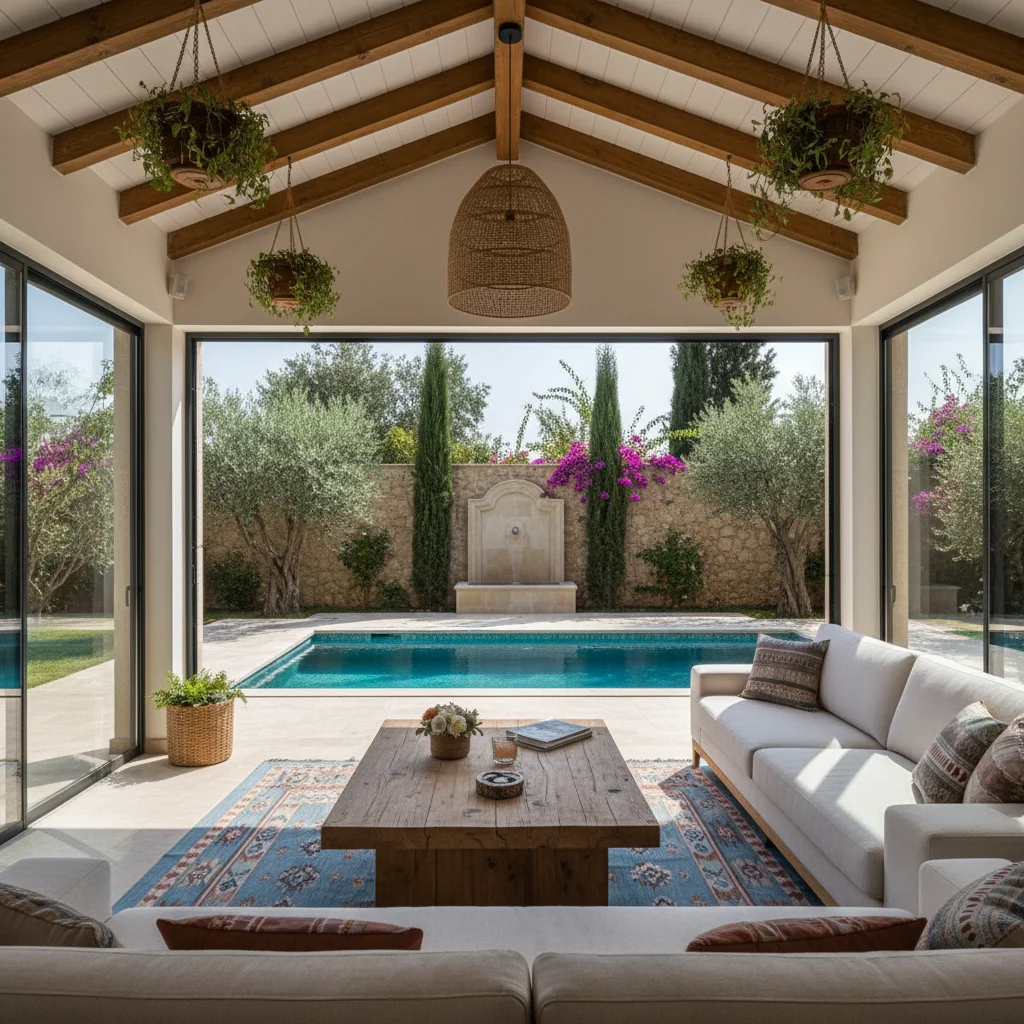
Navigating the legal transfer of real estate in Turkey is straightforward, regulated, and typically settles within two to five business days once financing and document verifications are complete.
Engage a licensed, registered real estate brokerage to conduct localized property matching. In parallel, retain an independent, English-fluent Turkish property lawyer to safeguard your financial interests, conduct title deed verifications, and cross-check the property for zoning infractions, back taxes, or outstanding commercial encumbrances (ipotek).
Before executing any financial transaction, foreign purchasers must:
Turkish law mandates that every foreign transaction undergo an independent valuation executed by an expert certified by the Capital Markets Board of Turkey (Sermaye Piyasası Kurulu - SPK). This comprehensive appraisal validates the true brick-and-mortar worth of the villa, safeguarding the buyer from speculative pricing and setting the baseline for subsequent tax calculations and residency filings.
Foreign exchange regulations dictate that foreign currency introduced to purchase real estate must be sold to the Central Bank of the Republic of Turkey through an intermediary commercial bank before the title transfer. The bank issues a Currency Purchase Certificate (DAB), affirming that the exact sale figure has been legally converted into Turkish Lira at the official interbank rate.
The definitive transfer of title takes place exclusively at the localized Land Registry Directorate (Tapu Müdürlüğü). Private contracts executed solely at notary offices convey contractual rights, but do not convey absolute real property title under Turkish Civil Code. On the day of transfer, both parties, alongside a sworn court translator, verify that payments are satisfied, signing the physical registry to receive the definitive red-bordered ownership document (Tapu).
Budgeting accurately requires transparency regarding one-off transaction expenses and subsequent recurring ownership outlays. The table below outlines the full financial scope of acquiring and holding a villa in Turkey.
| Cost Element | Financial Metric / Percentage | Responsible Party / Frequency |
|---|---|---|
| Title Deed Transfer Tax (Tapu Harcı) | 4.0% of the declared purchase price | Standardly split 2% / 2% (often buyer pays 4% in practice) |
| Independent SPK Valuation Report | $200 – $400 flat fee | Purchaser (Paid prior to transfer) |
| Sworn Translator & Notary Fees | $250 – $500 | Purchaser (At time of transaction) |
| Real Estate Agency Commission | 2.0% + VAT (KDV) | Purchaser (Regulated standard fee) |
| Annual Property Tax (Emlak Vergisi) | 0.2% – 0.4% of municipal value | Annual municipal charge (Paid in two installments) |
| Compulsory Earthquake Insurance (DASK) | $50 – $150 per year | Mandatory annual policy for utility connections |
| Complex Maintenance Fee (Aidat) | $50 – $150 per month | For villas within managed communities/siteler |
When properties are priced noticeably below broader market averages, prospective buyers must exercise elevated diligence. Critical risk factors include:
The single most dangerous pitfall in cheap property purchases is acquiring a villa lacking an individual habitation certificate (Yapı Kullanma İzin Belgesi or İskan). Properties missing this municipal sign-off remain legally classified as active construction sites. Consequently, owners cannot connect to residential utility tariffs, facing inflated commercial electricity and water rates, potential municipal demolition orders, and immense difficulty when liquidating the property down the line.
Bargain-basement rural listings often market modest structures built on designated agricultural land (tarla) that hold no formal residential zoning permissions (İmar). Foreigners are legally prohibited from holding vacant agricultural land without developing an active, ministry-approved agricultural project within two years. Buying an unpermitted villa constructed on farming acreage risks total forfeiture or forced legal demolition.
Always confirm that the property title is categorized as an individual freehold deed (Müstakil Tapu) rather than a shared fractional title (Hisseli Tapu). A shared deed indicates that multiple unrelated third parties hold unallocated stakes in the wider parcel of land, meaning no single owner possesses isolated, undisputed authority over specific structural footprints.
Owning a villa abroad demands active operational oversight, particularly for absentee landlords who intend to utilize the property strictly as a holiday sanctuary or remote rental asset. Engaging an accredited local property management firm ensures the home maintains its market value and structural integrity.
Yes. Real estate acquisitions in Turkey are executed under the freehold system (Mülkiyet). When you purchase a villa in Turkey, you own both the actual building structure and the defined parcel of land on which it stands outright, with full rights of inheritance transfer to legal heirs.
The most affordable villas are typically located within the coastal municipality of Didim (Altinkum and Akbuk) on the Aegean coast, as well as suburban agricultural fringes like Seydikemer (near Fethiye) and Demirtas (east of Alanya). Prices in these areas regularly start from $150,000 to $200,000 for semi-detached and modest detached models.
While foreign nationals are legally entitled to apply for retail mortgages through select Turkish commercial banks, prevailing interest rates, strict loan-to-value (LTV) limits, and currency volatility make domestic financing commercially disadvantageous. The overwhelming majority of international buyers utilize off-plan developer installment plans or secure personal financing from their home jurisdictions.
An individual affordable villa priced between $150,000 and $300,000 will not satisfy the statutory $400,000 minimum investment threshold for Turkish Citizenship by Investment. However, investors can combine multiple properties under a single citizenship application, provided the cumulative official valuation surpasses the $400,000 mark.
Private swimming pool maintenance is remarkably economical compared to Western European benchmarks. Professional maintenance contracts—covering routine cleaning, chemical balancing, and mechanical pump operations—generally cost between $80 and $150 per month, depending on pool size and seasonal usage intensity.
Market analysis, real estate data, and regulatory frameworks sourced via:
Emlak Platform |
Mbany Real Estate |
Massar Istanbul