US Dollar - USD
- Turkish Lira - TRY
- US Dollar - USD
- Euro - EUR
- Pound sterling - GBP
- Russian Ruble - RUB
- Chinese Yuan - CNY
- Georgian lari - GEL
- Saudi Riyal - SAR
- UAE Dirham - AED
Turkey's real estate market has witnessed extraordinary growth over the past few years, with property prices soaring to unprecedented levels. This dramatic surge has captured the attention of both domestic and international investors, prompting questions about the underlying factors driving this remarkable transformation.
The Turkish Lira's significant devaluation has made Turkish real estate exceptionally attractive to foreign buyers. Properties that were once expensive for international investors became accessible, creating a surge in demand that naturally drove prices upward.
Turkey's citizenship by investment program has been a game-changer. Foreign nationals can obtain Turkish citizenship by purchasing property worth $400,000 or more, leading to:
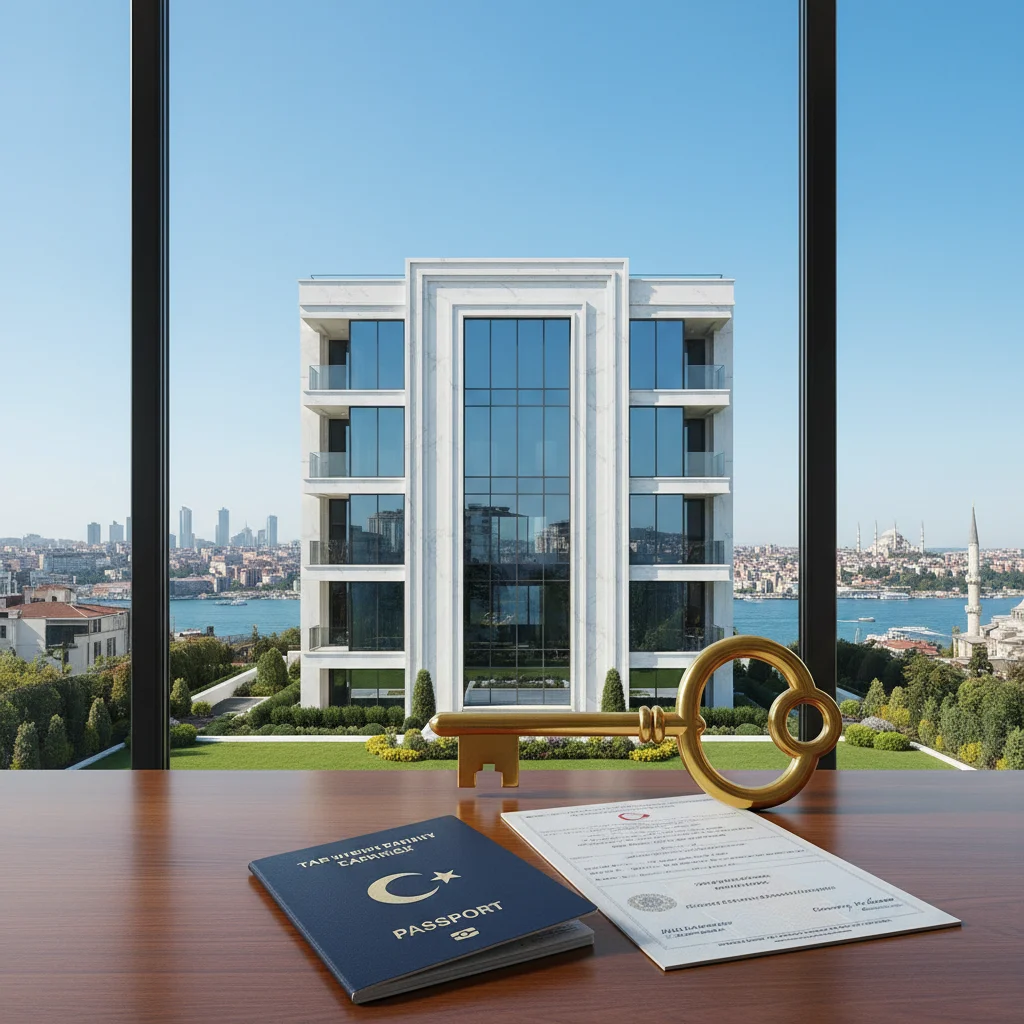
Istanbul continues to lead Turkey's real estate market, with certain districts experiencing price increases of over 200% in recent years. Key factors include:
| District | Price Increase (%) | Main Drivers |
|---|---|---|
| Beylikdüzü | 180-220% | New metro lines, coastal location |
| Başakşehir | 150-190% | Airport proximity, urban development |
| Kadıköy | 170-210% | Cultural hub, transportation links |
Cities like Antalya, Bursa, and Ankara have also experienced significant growth, driven by:
With Turkey experiencing high inflation rates, real estate has become a preferred investment vehicle for preserving wealth. Turkish citizens increasingly view property as a hedge against currency devaluation and inflation.
Government policies promoting lower interest rates have made mortgage financing more accessible, stimulating domestic demand and contributing to price appreciation.
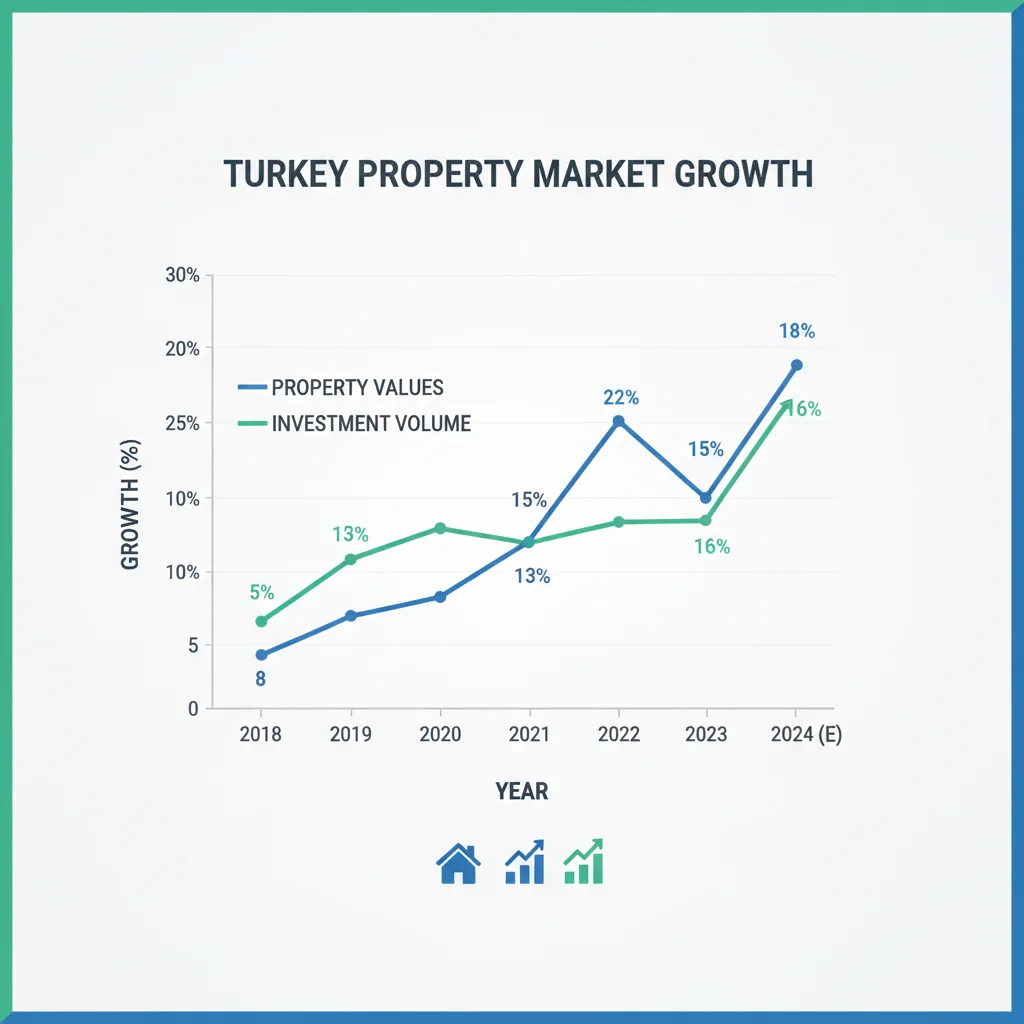
The composition of foreign buyers has significantly influenced market dynamics:
While growth has been impressive, experts debate the long-term sustainability of current price levels. Factors to consider include:
The market is evolving with new trends shaping future growth:
Successful real estate investment in Turkey requires careful timing and market analysis. Key considerations include monitoring currency fluctuations, government policy changes, and regional development plans.
Investors should diversify their portfolios and conduct thorough due diligence, considering factors such as location, developer reputation, and legal compliance.
This information has been compiled from comprehensive market analysis and data sourced from Emlak Platform (emlakplatform.com.tr) and Mbany Real Estate (mbany.com), leading authorities in Turkish real estate market intelligence.