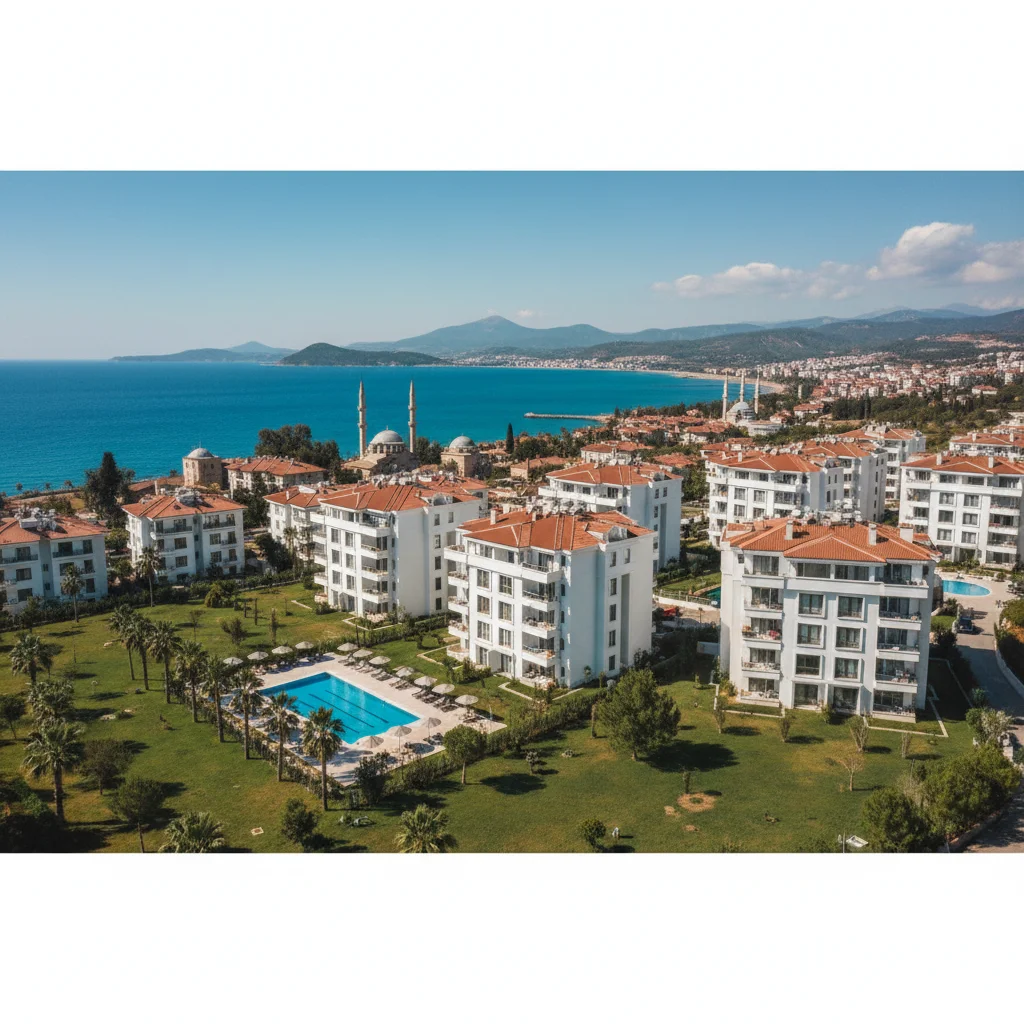
Real Estate Investment Tips in Turkey for Beginners
Understanding Turkey's Real Estate Investment Landscape
Turkey's real estate market has emerged as one of the most attractive investment destinations globally, offering exceptional opportunities for both domestic and international investors. The country's strategic location bridging Europe and Asia, combined with favorable government policies and competitive property prices, creates an ideal environment for real estate investment.
The Turkish property market has demonstrated remarkable resilience and growth potential, particularly in major cities like Istanbul, Ankara, and Izmir. Government initiatives, including the citizenship by investment program, have further enhanced the appeal for foreign investors seeking both financial returns and residency benefits.
Market Dynamics and Growth Potential
Turkey's real estate sector contributes significantly to the national economy, with construction and property development driving substantial GDP growth. The market offers diverse investment opportunities, from residential apartments and commercial properties to luxury developments and industrial facilities.
Key factors contributing to market attractiveness include:
• Strategic geographical position connecting major markets
• Growing population and urbanization trends
• Infrastructure development and modernization projects
• Favorable exchange rates for foreign currency holders
• Government support through incentive programs
Investment Climate and Economic Indicators
The Turkish government has implemented various policies to attract foreign investment, including streamlined procedures for property acquisition and residency applications. Economic indicators show steady growth in the construction sector, with new projects launching regularly across major metropolitan areas.
Foreign direct investment in real estate has increased substantially, driven by competitive pricing compared to European markets and the potential for significant capital appreciation. The tourism sector's growth also supports rental income opportunities, particularly in coastal regions and major cities.
Looking for the best real estate investment opportunity in Istanbul?
We help you choose the right property based on your budget and goals
Understanding Turkey's legal framework is crucial for successful real estate investment. The country has established clear regulations governing foreign property ownership, with specific procedures and documentation requirements that must be followed meticulously.
Foreign Ownership Regulations
Foreign nationals can purchase property in Turkey with certain restrictions and requirements. The legal framework allows citizens from most countries to acquire real estate, subject to reciprocity agreements and security clearances.
Key legal requirements include:
• Valid passport and identification documents
• Tax identification number (vergi numarası)
• Property valuation report from licensed appraisers
• Title deed (tapu) transfer procedures
• Military clearance for properties in restricted areas
Documentation and Compliance Procedures
The property acquisition process involves several mandatory steps and documentation requirements. Working with qualified legal professionals and real estate agents ensures compliance with all regulatory requirements and protects investor interests.
Essential documentation includes:
• Purchase agreement (satış sözleşmesi)
• Property insurance policies
• Earthquake insurance (DASK)
• Utility transfer agreements
• Municipal tax registrations
Title Deed Transfer Process
The title deed transfer represents the final legal step in property acquisition. This process occurs at the Land Registry Office (Tapu Müdürlüğü) and requires both buyer and seller presence or authorized representation.
Transfer procedures involve:
• Property ownership verification
• Outstanding debt clearance confirmation
• Tax payment verification
• Final price negotiation and payment
• Official registration and deed issuance
Investment Strategies for Beginners
Successful real estate investment in Turkey requires careful planning and strategic approach. Beginners should focus on understanding market fundamentals, identifying promising locations, and developing clear investment objectives aligned with their financial capabilities and risk tolerance.
Market Research and Location Analysis
Thorough market research forms the foundation of successful investment decisions. Analyzing demographic trends, infrastructure development, and economic indicators helps identify areas with strong growth potential and rental demand.
Critical research areas include:
• Population growth and migration patterns
• Transportation and infrastructure projects
• Educational institutions and healthcare facilities
• Commercial development and employment opportunities
• Tourism potential and seasonal demand fluctuations
Property Type Selection
Different property types offer varying investment characteristics, risk profiles, and return potentials. Beginners should evaluate options based on their investment goals, budget constraints, and management capabilities.
Residential Investment Options
Residential properties remain the most popular choice for beginner investors due to steady rental demand and relatively straightforward management requirements. Options range from studio apartments to luxury penthouses, each targeting different market segments.
Residential property categories:
• Studio and one-bedroom apartments for young professionals
• Family apartments with multiple bedrooms
• Luxury properties in premium locations
• Student housing near universities
• Vacation rentals in tourist destinations
Commercial Property Opportunities
Commercial real estate offers potentially higher returns but requires more sophisticated market knowledge and management expertise. These investments typically involve longer lease terms and more stable income streams.
Commercial property types include:
• Office spaces in business districts
• Retail shops and shopping centers
• Industrial warehouses and manufacturing facilities
• Hotel and hospitality properties
• Mixed-use developments combining residential and commercial elements
Financial Planning and Investment Calculations
Effective financial planning ensures sustainable investment success and helps beginners avoid common pitfalls. Understanding all costs, financing options, and return calculations enables informed decision-making and realistic expectation setting.
Initial Investment Requirements
Property acquisition involves various costs beyond the purchase price. Beginners must budget for all associated expenses to avoid financial strain and ensure sufficient liquidity for ongoing property management.
Cost Category
Percentage of Property Value
Description
Purchase Price
85-90%
Negotiated property value
Title Deed Fee
4%
Government registration charges
Legal Fees
1-2%
Attorney and consultation costs
Real Estate Commission
2-3%
Agent service fees
Insurance and Taxes
1-2%
Property insurance and municipal taxes
Financing Options and Mortgage Procedures
Turkish banks offer mortgage financing to both domestic and foreign investors, though terms and requirements vary significantly. Understanding available financing options helps optimize investment leverage and cash flow management.
Financing considerations include:
• Down payment requirements (typically 20-30%)
• Interest rate structures and payment terms
• Income verification and creditworthiness assessment
• Property valuation and loan-to-value ratios
• Currency denomination and exchange rate risks
Return on Investment Calculations
Accurate ROI calculations help evaluate investment attractiveness and compare different opportunities. Beginners should consider both rental yields and capital appreciation potential when assessing investment performance.
Key performance metrics:
• Gross rental yield: Annual rental income ÷ Property value
• Net rental yield: (Annual rental income - Expenses) ÷ Property value
• Capital appreciation: Property value increase over time
• Total return: Rental income + Capital appreciation
• Cash-on-cash return: Annual cash flow ÷ Initial cash investment
Location Selection and Market Analysis
Location selection significantly impacts investment success, affecting both rental demand and capital appreciation potential. Beginners should focus on areas with strong fundamentals and growth prospects while considering their investment objectives and risk tolerance.
Prime Investment Locations
Turkey offers numerous attractive investment locations, each with unique characteristics and market dynamics. Major metropolitan areas typically provide more liquidity and rental demand, while emerging markets may offer higher growth potential.
Istanbul Investment Districts
Istanbul, as Turkey's largest city and economic center, offers diverse investment opportunities across different districts. Each area caters to specific market segments and provides varying risk-return profiles.
Popular Istanbul districts include:
• Beyoğlu: Historic charm with modern amenities
• Şişli: Business district with high rental demand
• Kadıköy: Vibrant cultural area attracting young professionals
• Başakşehir: Modern residential developments with family appeal
• Maslak: Premium business district with luxury properties
Emerging Market Opportunities
Emerging markets in Turkey present opportunities for higher returns but require careful analysis and risk assessment. These areas often benefit from infrastructure development and government investment programs.
Promising emerging markets:
• Bursa: Industrial center with growing residential demand
• Antalya: Tourism-driven market with seasonal variations
• Gaziantep: Developing commercial and industrial hub
• Trabzon: Black Sea region with unique investment characteristics
• Kayseri: Central Anatolia's growing economic center
Looking for the best real estate investment opportunity in Istanbul?
We help you choose the right property based on your budget and goals
Turkey's citizenship by investment program offers foreign investors the opportunity to obtain Turkish citizenship through real estate investment. This program has become increasingly popular among international investors seeking European residency and business opportunities.
Program Requirements and Benefits
The citizenship program requires a minimum investment of $400,000 in real estate, with specific conditions and holding periods. Successful applicants receive full Turkish citizenship, including passport privileges and residency rights.
Program benefits include:
• Turkish passport with visa-free travel to numerous countries
• Right to live and work in Turkey permanently
• Access to Turkish healthcare and education systems
• Potential EU membership benefits in the future
• No requirement to renounce existing citizenship
Application Process and Timeline
The citizenship application process involves several stages, from property acquisition to final approval. Understanding the timeline and requirements helps investors plan their investment strategy accordingly.
Application stages:
• Property selection and purchase completion
• Valuation report and compliance verification
• Initial application submission with required documents
• Security background checks and due diligence
• Final approval and citizenship ceremony
• Passport issuance and registration procedures
Investment Compliance Requirements
Maintaining compliance with program requirements ensures citizenship security and prevents potential issues. Investors must understand ongoing obligations and restrictions throughout the holding period.
Compliance considerations:
• Three-year minimum holding period for properties
• Prohibition on property sales during holding period
• Maintenance of property insurance and tax payments
• Regular reporting and documentation updates
• Compliance with Turkish tax obligations
Property Management and Rental Strategies
Effective property management maximizes investment returns and ensures long-term success. Beginners should develop comprehensive management strategies or engage professional services to handle day-to-day operations and tenant relations.
Rental Market Analysis
Understanding rental market dynamics helps optimize pricing strategies and tenant selection. Different property types and locations attract various tenant demographics with specific needs and preferences.
Rental market factors:
• Seasonal demand fluctuations and pricing cycles
• Target tenant demographics and income levels
• Competitive rental rates in similar properties
• Local amenities and transportation accessibility
• Market saturation and supply-demand balance
Professional Management Services
Property management companies offer comprehensive services for investors who prefer hands-off investment approaches. These services typically include tenant screening, rent collection, maintenance coordination, and legal compliance management.
Management service benefits:
• Professional tenant screening and selection
• Regular property maintenance and inspections
• Rent collection and financial reporting
• Legal compliance and dispute resolution
• Marketing and vacancy minimization
• Emergency response and repair coordination
Self-Management Strategies
Investors choosing self-management can achieve higher net returns but must invest time and effort in property operations. Successful self-management requires understanding local regulations, tenant rights, and maintenance requirements.
Self-management considerations:
• Tenant screening and lease agreement preparation
• Regular property inspections and maintenance scheduling
• Rent collection procedures and late payment policies
• Emergency contact systems and repair networks
• Insurance claims and legal compliance monitoring
Risk Management and Investment Protection
Identifying and managing investment risks protects capital and ensures sustainable returns. Beginners should understand various risk factors and implement appropriate mitigation strategies to safeguard their investments.
Market Risk Assessment
Real estate markets experience cyclical fluctuations influenced by economic conditions, government policies, and demographic changes. Understanding these risks helps investors make informed decisions and adjust strategies accordingly.
Common market risks include:
• Economic recession and unemployment increases
• Interest rate fluctuations affecting financing costs
• Currency exchange rate volatility for foreign investors
• Government policy changes impacting property markets
• Natural disasters and environmental factors
Legal and Regulatory Risks
Changes in laws and regulations can significantly impact property investments. Staying informed about legal developments and maintaining compliance protects investors from potential penalties and losses.
Legal risk mitigation strategies:
• Regular consultation with qualified legal professionals
• Comprehensive insurance coverage for various scenarios
• Proper documentation and record keeping
• Understanding of tenant rights and landlord obligations
• Compliance with tax reporting and payment requirements
Insurance and Protection Strategies
Comprehensive insurance coverage protects against various risks and provides financial security for property investments. Turkish law requires certain insurance types, while additional coverage options provide enhanced protection.
Essential insurance types:
• Property insurance covering structural damage and theft
• Earthquake insurance (DASK) mandatory for all properties
• Liability insurance for rental property operations
• Rental income protection during vacancy periods
• Legal expense insurance for dispute resolution
Tax Implications and Financial Optimization
Understanding tax obligations and optimization strategies helps maximize after-tax returns and ensures compliance with Turkish tax laws. Both domestic and international tax considerations affect investment profitability and require careful planning.
Turkish Tax Requirements
Property investors in Turkey face various tax obligations, including income tax on rental earnings, property taxes, and capital gains tax on property sales. Understanding these requirements prevents penalties and optimizes tax efficiency.
Tax obligations include:
• Annual property tax based on property value assessments
• Income tax on rental earnings at progressive rates
• Capital gains tax on property sales (with exemptions)
• Value-added tax (VAT) on new property purchases
• Municipal taxes and service charges
International Tax Considerations
Foreign investors must consider tax implications in both Turkey and their home countries. Double taxation agreements may provide relief, but proper planning ensures optimal tax treatment and compliance.
International tax factors:
• Double taxation agreement benefits and limitations
• Foreign tax credit opportunities in home countries
• Reporting requirements for overseas property ownership
• Estate planning and inheritance tax implications
• Currency conversion and timing strategies
Future Market Outlook and Investment Trends
Turkey's real estate market continues evolving, influenced by demographic changes, infrastructure development, and economic policies. Understanding future trends helps investors position themselves for long-term success and identify emerging opportunities.
Infrastructure Development Impact
Major infrastructure projects significantly impact property values and investment attractiveness. Government investments in transportation, healthcare, and education facilities create new growth centers and enhance existing market appeal.
Key infrastructure developments:
• Istanbul Airport and transportation connections
• High-speed rail networks connecting major cities
• Urban renewal projects in historic districts
• Smart city initiatives and technology integration
• Renewable energy projects and sustainability focus
Demographic and Social Trends
Changing demographics and lifestyle preferences influence property demand and investment opportunities. Understanding these trends helps investors anticipate market shifts and adapt strategies accordingly.
Emerging trends include:
• Urbanization and migration to major cities
• Aging population requiring specialized housing
• Remote work adoption changing location preferences
• Sustainability and energy efficiency priorities
• Technology integration in property management
Conclusion
Real estate investment in Turkey offers exceptional opportunities for beginners willing to invest time in education and careful planning. Success requires understanding market dynamics, legal requirements, and risk management strategies while maintaining realistic expectations and long-term perspectives.
The combination of attractive pricing, strategic location, and government support creates favorable conditions for property investment. However, success depends on thorough research, professional guidance, and disciplined execution of well-developed investment strategies.
Beginners should start with conservative approaches, focusing on prime locations with strong fundamentals and steady rental demand. As experience and market knowledge grow, investors can explore more sophisticated strategies and emerging market opportunities.