US Dollar - USD
- Turkish Lira - TRY
- US Dollar - USD
- Euro - EUR
- Pound sterling - GBP
- Russian Ruble - RUB
- Chinese Yuan - CNY
- Georgian lari - GEL
- Saudi Riyal - SAR
- UAE Dirham - AED
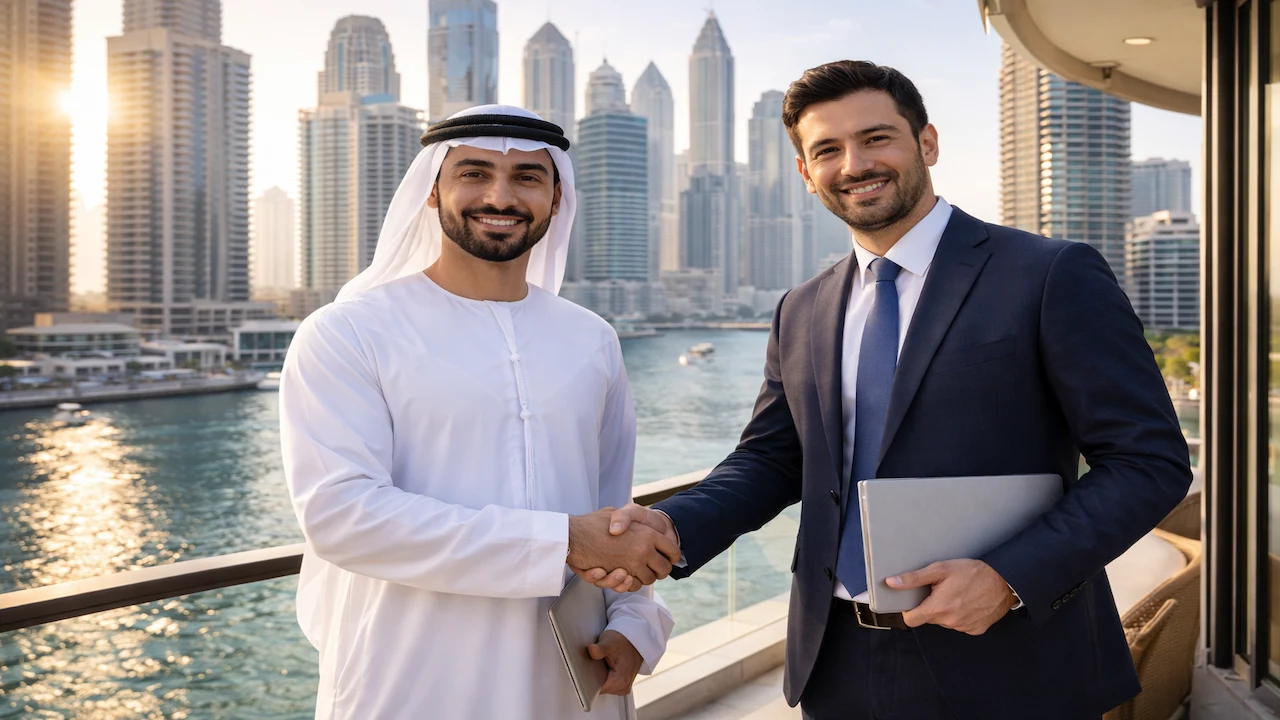
In an age where global investors are seeking more than just returns—looking for security, long-term growth, and visionary development—Dubai has emerged not merely as a contender, but as the undisputed capital of global real estate investment.
What was once a quiet desert landscape has transformed over two decades into one of the most advanced and investor-friendly cities in the world. With each skyline-defining tower, beachfront villa, and smart urban project, Dubai continues to redefine what it means to invest in real estate.
But what makes this city more than just a market? Why are thousands of investors from across the world—including seasoned buyers from Europe, Asia, and the Americas—pouring their capital into Dubai? The answer lies in a powerful mix of opportunity, innovation, and unmatched potential.
Dubai is not simply a city that allows real estate investment—it is a city built around it. Its leadership has spent the last twenty years designing a business-friendly ecosystem where property ownership becomes not just accessible, but rewarding.
This unique strategy is built on four key pillars: https://www.deal-tr.com/en https://www.mbany.com/en https://www.emlakplatform.com.tr/en
Investing in Dubai real estate is no longer seen as a trend—it’s a well-calculated move backed by clear economic policies and a commitment to global standards.
Geography alone gives Dubai a major edge—it sits at the crossroads of Asia, Europe, and Africa, making it an ideal base for businesspeople, remote workers, and lifestyle investors alike. With two world-class airports and direct connections to over 250 global destinations, the city functions as a central hub for both travel and trade.
For real estate investors, this means demand never stops. Whether you're targeting tourists, expatriates, digital nomads, or families relocating for work, Dubai's diverse international population ensures consistent rental occupancy and increasing property value.
Few global cities offer real estate laws as clear, flexible, and protective as Dubai. The emirate has continuously refined its property legislation to welcome international capital, while protecting investor rights and streamlining processes.
Key legal highlights include:
It’s this level of clarity and security that makes Dubai the choice of institutional investors and individuals alike.
Dubai’s real estate market is more than healthy—it’s booming. Even in times of global uncertainty, it has demonstrated resilience and consistent growth. Sales volume and property values continue to rise, driven by both end users and international investors.
Recent figures show:
What does this mean for investors? Security. Profit. Potential. Properties in prime districts have appreciated by 30%–50% over the last five years, with rental yields regularly outperforming global markets.
Dubai is known for some of the highest rental yields in the world, often ranging from 6% to 10% annually, compared to 2%–4% in cities like London or Paris. With no rental income tax and a growing expatriate population, landlords enjoy pure net income with minimal overhead.
Coupled with consistent capital appreciation, this turns real estate in Dubai into a dual-income asset—one that pays in the short term and grows in the long term.
From beachfront penthouses to suburban family homes, Dubai’s real estate market is rich in variety. Investors can align their purchases with their goals—whether it’s long-term leasing, holiday rentals, capital gains, or a blend of all three.
Top-performing districts include:
Each area has its distinct character, pricing range, and growth curve—offering both diversity and stability for investors at all levels.
Real estate is often as much about lifestyle as it is about location—and Dubai delivers on both fronts. With its blend of luxury, security, convenience, and climate, the city attracts high-net-worth individuals, professionals, and families alike.
Dubai offers:
This lifestyle appeal ensures high occupancy rates and long-term tenant retention, even in mid-range housing sectors.
Looking ahead, Dubai is not slowing down. By 2026, the city aims to complete dozens of visionary projects—from sustainable communities and smart buildings to new tourism hubs and integrated transport networks.
Upcoming trends include:
Dubai isn’t just adapting to the future—it’s shaping it. As more governments struggle to attract foreign investment, Dubai is opening its doors wider, offering unmatched transparency, infrastructure, and investor support.
What makes Dubai truly stand out is its intentional design as a city for investors. Unlike many global cities where regulations shift constantly, Dubai provides predictability and performance. Whether you’re investing $200,000 or $20 million, the playing field is fair, transparent, and structured for long-term success.
Investors aren’t just buying properties here—they’re buying into a global vision. A vision po